


The Role of Luck in Gambling
When discussing gambling, luck often takes center stage. Many players enter a casino with a singular hope: to hit a significant win that can transform their evening. Luck, often viewed as a mere whimsical force, is deeply intertwined in every game, from the roll of the dice in craps to the spin of the reels in slot machines. This intangible element can determine the outcome of many games, often making the difference between a hopeful gambler and a jubilant winner. For those seeking a thrilling adventure, platforms like GamDom provide an exhilarating layer to the gambling experience, making every session unique.
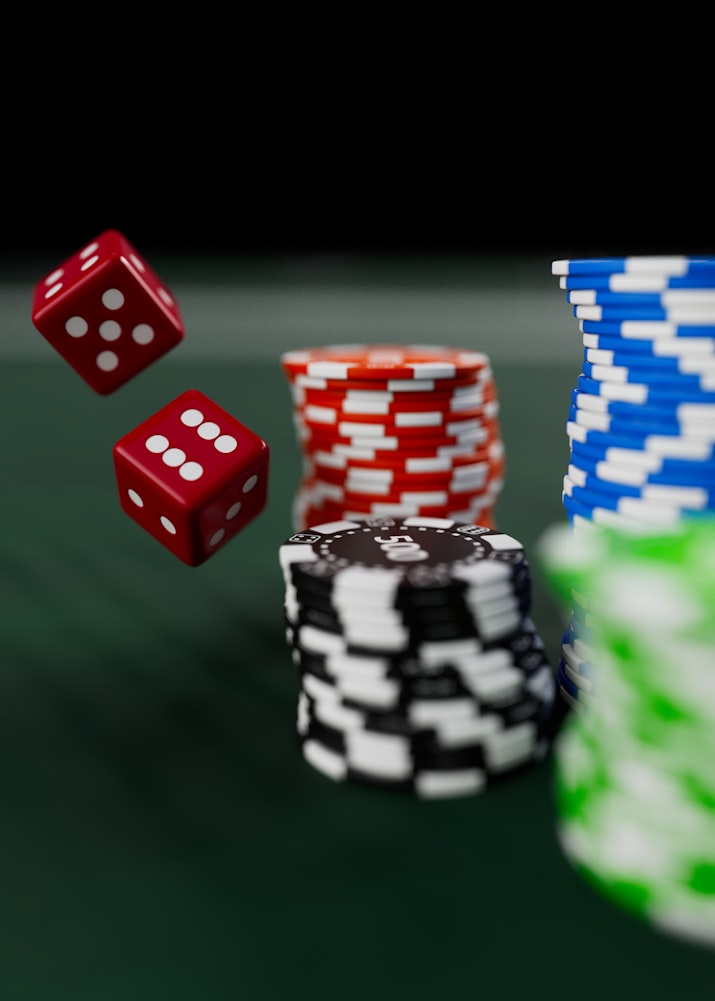
Every player knows that sometimes, despite strategy and skill, luck plays a pivotal role. For instance, imagine two individuals playing a game of blackjack. One relies heavily on strategy, calculating probabilities and managing their bankroll meticulously, while the other goes in with a carefree attitude, believing in sheer luck. While both approaches can yield success, luck can swing the game’s outcome unexpectedly, reminding us that even the most calculated efforts can be eclipsed by chance. This phenomenon is often what keeps players returning to the tables, fueled by the hope that their next bet will be the lucky one.
Moreover, casinos often leverage the concept of luck in their marketing strategies. Promotions, themed events, and even loyalty programs frequently emphasize the element of chance, enticing players with the promise of serendipity. This interplay between skill and luck creates a unique atmosphere, drawing in both novice and seasoned gamblers alike, all hoping to experience those rare moments when luck favors them. Ultimately, this blend of anticipation and chance is what makes every visit to a casino unpredictable and exciting.
The Influence of Luck on Player Behavior
Luck significantly impacts player psychology and behavior in a casino setting. Many players experience a rush of adrenaline during a lucky streak, which can lead to heightened anticipation and risk-taking. This phenomenon explains why some gamblers, during a winning period, may increase their bets, convinced that fortune is on their side. They might even chase their luck, believing that their current streak will continue indefinitely. Conversely, bad luck can lead to a player withdrawing or becoming frustrated, illustrating how closely emotions and luck are tied to the gaming experience.
The concept of “hot” and “cold” tables or machines is prevalent in casinos. Gamblers often gravitate towards tables that appear to be experiencing a winning streak, believing luck can be contagious. This collective consciousness creates a dynamic environment, where the luck of one player can influence the morale of others. A player celebrating a jackpot win can create a ripple effect, encouraging more individuals to engage and take their chances, demonstrating how luck can cultivate a communal atmosphere in the casino. Such dynamics can turn a simple night of gaming into a shared experience filled with hope and excitement.
Additionally, a player’s belief in luck can lead to superstitions that shape their gaming habits. Many gamblers carry tokens or follow specific rituals before placing bets, believing these practices will affect their luck. Such behaviors underscore the human desire to exert control in unpredictable situations. For instance, a player might wear a particular shirt or sit in a specific chair, convinced these rituals will enhance their chances of winning. In essence, luck does not just influence the games played; it also shapes the social interactions and individual behaviors within the casino, creating a rich tapestry of experiences driven largely by chance.
The Science Behind Luck and Gambling
Interestingly, research has been conducted to understand the psychological and physiological aspects of luck in gambling. Studies indicate that a player’s perception of luck can alter their decision-making processes. For example, a player who believes they are lucky may take more risks, often leading to larger rewards or losses. This phenomenon ties into the broader psychological theories regarding optimism bias, where individuals overestimate favorable outcomes in uncertain situations. This inclination can lead to both exciting wins and disheartening losses, as players navigate the fine line between optimism and reality.
The impact of luck is also visible in patterns players exhibit while gambling. Gamblers often form narratives around their experiences, attributing wins to their skill or luck while blaming losses on bad luck. This cognitive bias can skew perspectives on gambling, leading to the mistaken belief that previous outcomes will influence future results, despite the statistically independent nature of most games. Understanding this psychology is crucial for both players and casino operators, as it can inform responsible gaming practices and enhance the overall experience.
Additionally, the randomness of games is designed to ensure fairness, with most outcomes being purely chance-based. However, the illusion of control that many gamblers experience can significantly affect their gaming behavior. Recognizing that luck plays a vital role in gambling can lead to healthier gambling practices, where players acknowledge the risks while still enjoying the thrill of the game without falling prey to the pitfalls of chasing luck. Acknowledging the role of luck can promote a more balanced approach to gambling, allowing players to enjoy the experience without unrealistic expectations.
Luck and Casino Culture
Luck is an intrinsic part of casino culture, shaping not only the games offered but also the overall atmosphere. The anticipation and excitement associated with rolling dice or pulling a lever are largely tied to the belief that luck can lead to life-changing moments. This cultural backdrop enhances the thrill of participation, where every spin or bet carries the potential for extraordinary outcomes that players often vividly imagine. The shared excitement among players creates a vibrant environment, making casinos lively hubs of activity.
The integration of luck into casino culture has also influenced various forms of entertainment within these establishments. Live performances, themed events, and celebrity appearances add layers of excitement that enhance the gambling experience. Players often attend with the dual hopes of winning and enjoying a vibrant, luck-infused atmosphere, demonstrating how casinos are more than mere gaming venues; they are social spaces filled with the promise of chance. This fusion of entertainment and gaming creates a unique ambiance that keeps players engaged and returning for more.
Moreover, casinos tend to highlight stories of big wins, further embedding the narrative of luck into the culture. Advertisements often feature testimonials from ecstatic winners, fostering a sense of possibility among players. This encouragement for hopeful thinking transforms the experience into one of optimism, invigorating the spirit of those who walk through the doors, all eager to find their fortune in the world of chance. These narratives contribute to the allure of casinos, drawing in individuals who dream of experiencing their own lucky moment.
Your Online Experience with Luck
Online casinos have adapted the concept of luck to the virtual realm, creating an engaging experience that mirrors traditional gambling while introducing innovative elements. Players can now enjoy the thrill of luck from the comfort of their homes, with many platforms emphasizing the random nature of their games. Random number generators are employed to ensure fairness and unpredictability, reinforcing the belief that luck is a crucial factor in their gaming success. This technological advancement allows players to focus on the excitement of the game rather than concerns about fairness.
In the online space, the personalization of experiences allows players to engage with their perceived luck in unique ways. The ability to track play history can lead players to feel more connected to their gaming outcomes, attributing wins to their own luck or strategies. Furthermore, online platforms often implement gamification elements, such as rewards and challenges, enhancing the overall experience and further embedding luck into the gameplay process. These features make the online gambling experience more interactive and engaging, encouraging players to explore their luck in various ways.
As players navigate the world of online casinos, the blend of luck and technology continues to evolve. With advances in artificial intelligence and machine learning, the future of online gambling promises even more personalized experiences, all rooted in the dynamic interplay of skill and chance. By understanding how luck influences gameplay, online players can engage more consciously, allowing for an enjoyable experience that respects the unpredictable nature of gambling. This evolving landscape offers players new opportunities to explore their luck, creating an exciting future for online gaming.