
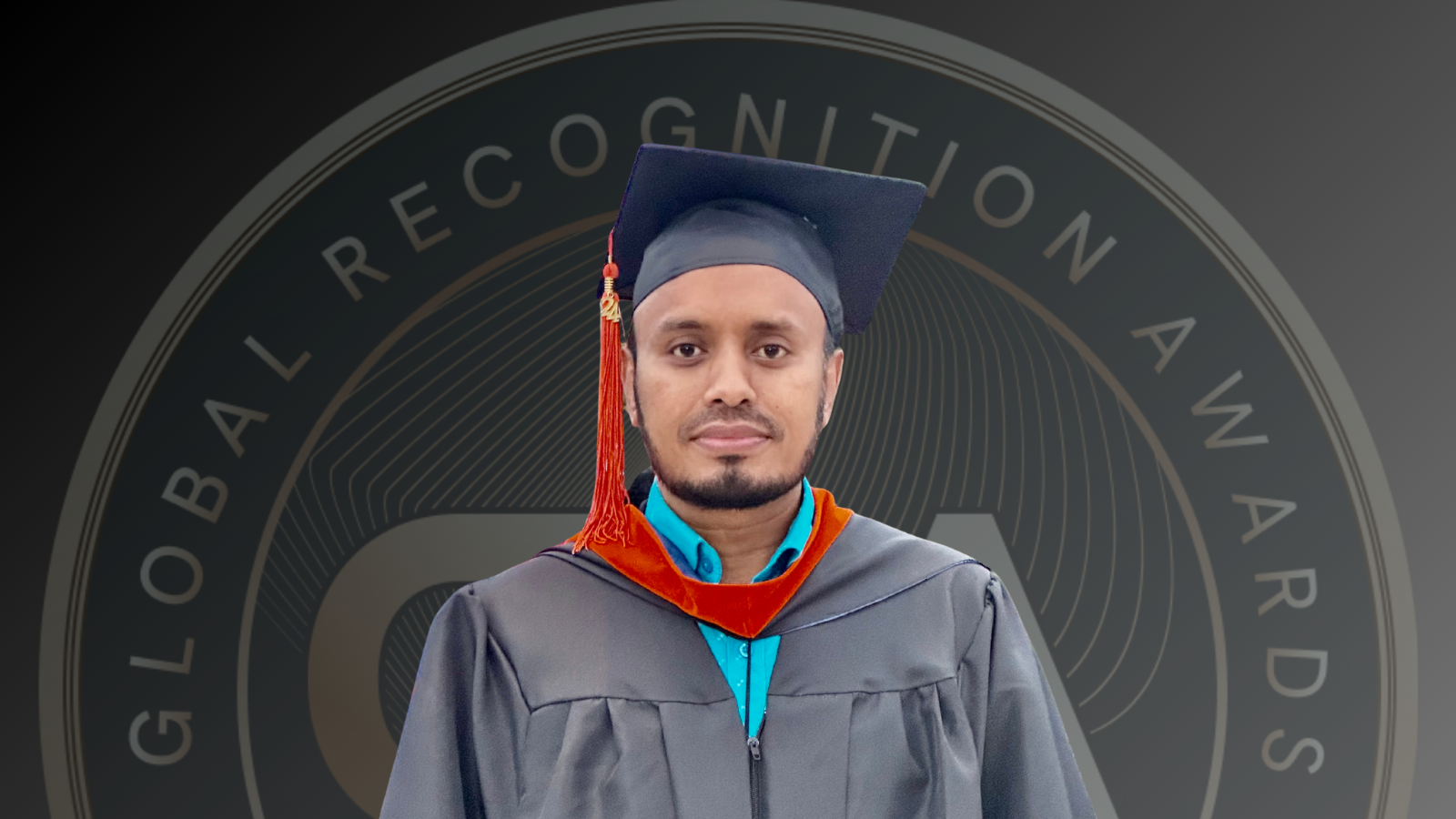

Cancer remains one of the most severe global health challenges of the twenty-first century, with international health organizations estimating that approximately 10 million people die from cancer every year worldwide. Despite advances in treatment, survival rates for many cancers remain heavily dependent on how early the disease is detected, a factor that continues to disadvantage millions of patients. Skin cancer, colon cancer, and lung cancer together represent a substantial share of global diagnoses and mortality, particularly when detection occurs at advanced stages. Lung cancer alone is responsible for more deaths annually than any other cancer type, while colon cancer often progresses silently until treatment options become limited. Skin cancer, though highly treatable in early stages, continues to cause preventable deaths due to delayed or inaccurate diagnosis. These realities have placed increasing pressure on healthcare systems to move beyond traditional diagnostic approaches. Artificial intelligence has emerged as a turning point, offering scalable tools that can analyze medical data with speed, consistency, and precision. Within this global context, Abdus Sobur’s research focuses on harnessing artificial intelligence to help reduce cancer deaths and improve patient outcomes worldwide.
A Research Mission Centered on Early Detection and Human Impact
Abdus Sobur is a U.S.-based researcher whose work centers on artificial intelligence, machine learning, and medical image analysis for early cancer detection. His research mission is driven by a clear humanitarian objective: helping people affected by cancer receive earlier diagnoses and more effective treatment. Sobur’s work concentrates specifically on skin cancer, colon cancer, and lung cancer, cancers that collectively affect millions of patients across diverse populations. By developing advanced AI models capable of analyzing complex medical images, he seeks to identify malignant patterns that may not be visible through conventional diagnostic methods. His research emphasizes early-stage detection, where intervention has the greatest potential to save lives. Rather than positioning AI as a replacement for physicians, his work frames technology as a decision-support tool that strengthens clinical judgment. This approach reflects a growing recognition that meaningful innovation in healthcare must directly improve patient care rather than remain confined to academic theory.
Helping People Through Practical, Scalable Cancer Solutions
A defining characteristic of Sobur’s work is its focus on real-world applicability and patient benefit. In skin cancer detection, his AI-based models analyze dermoscopic images to enhance consistency and accuracy, enabling clinicians to identify malignancies earlier and reduce unnecessary biopsies. For colon cancer, a disease often diagnosed too late due to minimal early symptoms, his machine learning systems analyze imaging and structured clinical data to flag early pathological indicators. These tools support earlier screening decisions that can significantly improve survival rates. Lung cancer, the deadliest cancer worldwide, presents one of the most complex diagnostic challenges due to nonspecific symptoms and imaging complexity. Sobur’s research utilizes deep neural networks to analyze lung imaging data, enhancing sensitivity in detecting early malignant changes. By enabling earlier diagnosis across these cancer types, his work helps reduce physical suffering, emotional distress, and financial burden for patients and families. The broader impact lies in improving access to early detection technologies that can be deployed across diverse healthcare systems, including resource-limited environments.
Academic Foundation and Global Research Contributions
Sobur completed his Master of Science in Information Technology at Westcliff University in California, where he developed advanced expertise in artificial intelligence, data analytics, and secure computing systems. His academic training provided an interdisciplinary foundation that allows him to bridge information technology with medical research. This background enables him to translate complex computational methods into practical healthcare tools. Beyond formal education, Sobur has established a substantial peer-reviewed research record in the fields of artificial intelligence and medical imaging. His publications addressing skin cancer, colon cancer, and lung cancer have appeared in international journals and conference proceedings. These works demonstrate sustained scholarly productivity and originality. Through research dissemination, his contributions extend beyond individual institutions to benefit the broader scientific and medical communities worldwide.
Global Recognition Awards 2025 and International Validation
In 2025, Abdus Sobur was named a winner of the Global Recognition Awards, an international honor that recognizes individuals whose work demonstrates a measurable impact and societal value. The award evaluates nominees across multiple countries using an independent expert review. Sobur was recognized for his sustained research contributions in artificial intelligence–driven cancer detection. The committee cited his work on skin cancer as advancing early diagnostic accuracy. His colon cancer research was highlighted for addressing late-stage detection challenges. His lung cancer studies were recognized for targeting the leading cause of cancer mortality worldwide. The award emphasized the real-world applicability of his research rather than theoretical innovation alone. Reviewers noted the scalability of his AI models for diverse healthcare settings. The recognition reflected long-term research productivity rather than a single publication. The Global Recognition Awards assess impact on public welfare and scientific advancement. Sobur’s work was evaluated in the context of global healthcare needs. The 2025 recognition provided independent validation of his international research influence. The award positioned him among researchers contributing to solutions for major global health challenges.
Shaping The Future of Cancer Care Through Artificial Intelligence
As cancer continues to claim millions of lives each year, the importance of early detection technologies will only increase. Sobur’s research aligns with global healthcare priorities focused on prevention, early diagnosis, and cost-effective care. By applying artificial intelligence to the detection of skin cancer, colon cancer, and lung cancer, his work contributes to a shift from reactive treatment to proactive intervention. These innovations support healthcare systems seeking to improve outcomes while managing rising costs. The long-term value of his research lies in its potential to help people live longer, healthier lives through earlier diagnosis and treatment. As artificial intelligence becomes increasingly integrated into medicine, Abdus Sobur’s work represents the type of interdisciplinary innovation required to address global cancer mortality. His contributions underscore how technology, when guided by a humanitarian purpose, can help reshape the future of cancer care worldwide.