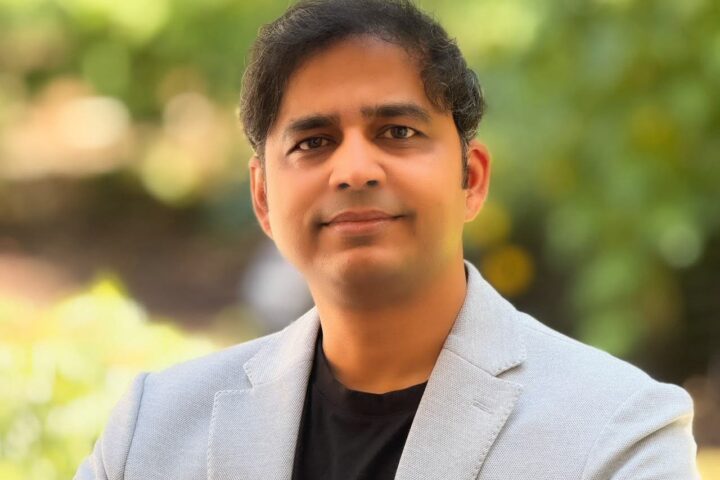

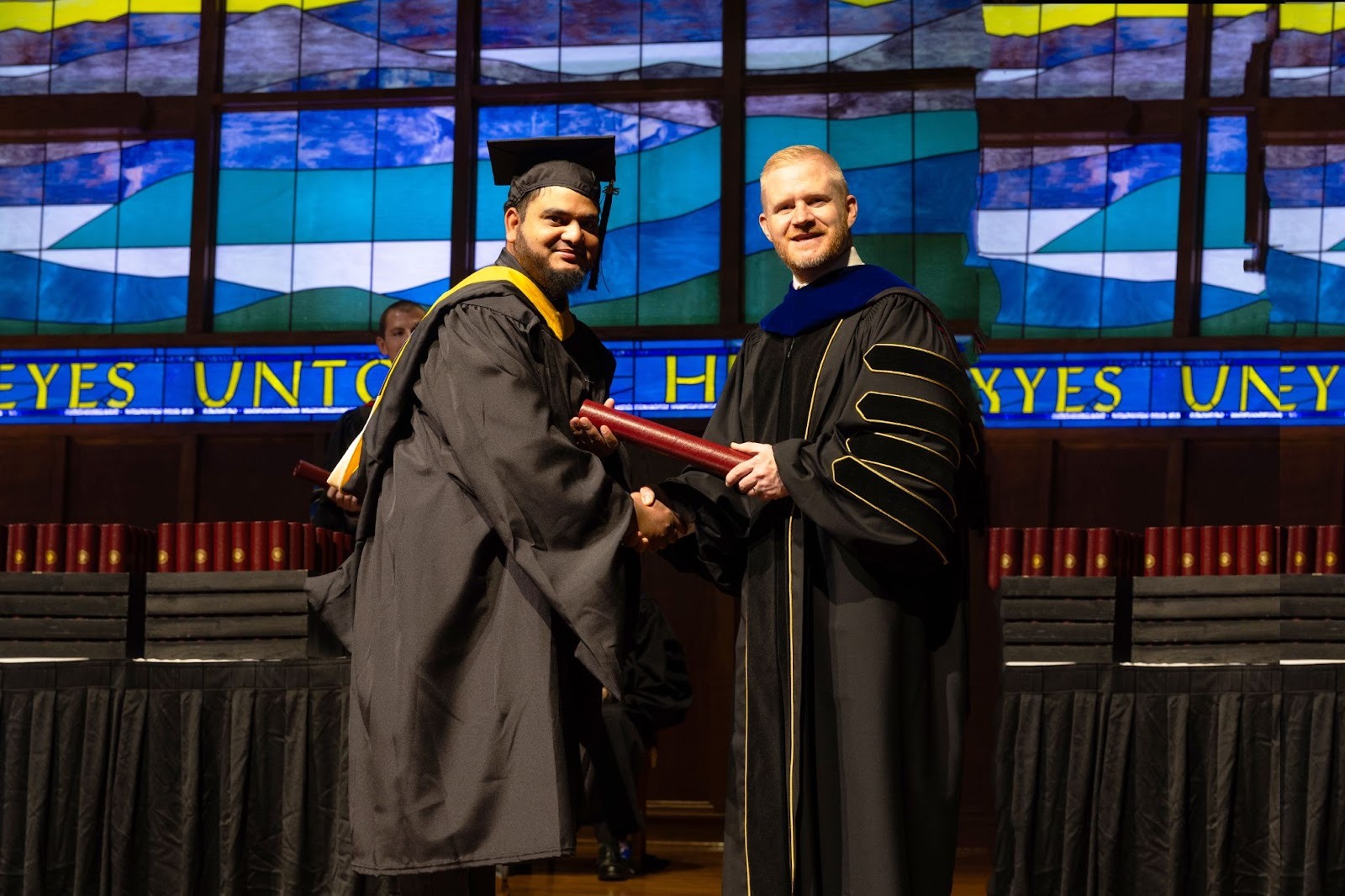
Md Firoz Kabir, a Ph.D. researcher in Information Technology and a graduate of a Master of Science in Information Technology (MSIT) program, is emerging as a leading contributor in the application of artificial intelligence to healthcare diagnostics. His work focuses on developing advanced AI-driven systems that improve early disease detection, diagnostic accuracy, and accessibility, particularly for cancer, cardiovascular disease, and neurological disorders.
As healthcare systems face rising disease prevalence and increasing economic pressure, Kabir’s research addresses urgent national needs by translating cutting-edge AI methods into clinically relevant solutions. His research vision emphasizes real-world applicability over theoretical performance alone. His work focuses on developing efficient, scalable, and explainable AI models that can be seamlessly integrated into clinical workflows, rather than being confined to research laboratories. By prioritizing computational efficiency, Kabir ensures that his models can be deployed not only in advanced medical centers but also in resource-limited and underserved settings, where early diagnosis is often most challenging. His research is designed to reduce diagnostic delays, minimize human error, and improve patient outcomes across diverse healthcare environments.
Advancing Early Cancer, Cardiovascular, and Neurological Intelligence Through AI
Cancer remains one of the most urgent public health and economic challenges in the United States, with annual healthcare costs exceeding $208 billion and more than 2 million new diagnoses projected in 2025. Kabir’s research directly addresses this crisis by developing hybrid deep-learning models that integrate multiple AI techniques to enhance the detection and classification of cancer from medical images.
His work includes noninvasive AI approaches for predicting cancer progression, lightweight models for oral cancer image classification, and advanced deep-learning architectures for identifying and outlining brain tumors from MRI scans. These systems support earlier diagnoses, reduce unnecessary procedures, and enable more reliable clinical decision-making.
Beyond oncology, Kabir’s research extends into cardiovascular and neurological intelligence, where AI models are used to analyze complex imaging and clinical data. His hybrid frameworks help clinicians identify high-risk cardiovascular conditions and neurological abnormalities at earlier stages, improving intervention timelines and patient care.
Research Methodology and Collaborative Framework
Md Firoz Kabir’s research methodology is built on a hybrid and interdisciplinary AI framework that integrates deep learning, machine learning, and advanced data modeling techniques to address complex diagnostic challenges in healthcare. His work combines convolutional neural networks, transformer-based architectures, attention mechanisms, graph-based learning, and ensemble models to extract clinically meaningful insights from medical imaging and health data. This integrated approach enables high diagnostic accuracy while maintaining computational efficiency, a crucial requirement for real-world clinical adoption.
A key strength of Kabir’s research is his active collaboration with faculty mentors at the University of the Cumberlands, where he is pursuing his Ph.D. in Information Technology. He works closely with Dr. Martin Cordero and Dr. Charles Beverley, both respected professors with expertise in information technology, applied computing, and data-driven systems. Through this collaboration, Kabir refines model design, validates research methodologies, and aligns his AI innovations with practical healthcare applications.
By collaborating with his university professors, Kabir benefits from multidisciplinary guidance that bridges theory and application. This collaborative framework strengthens the scientific rigor of his work and accelerates the development of AI solutions that are scalable, clinically relevant, and responsive to real healthcare needs.
Scholarly Impact and Global Recognition
Kabir’s research has been published in high-impact international journals, including Q1-ranked and IEEE-indexed publications, as well as a Book Chapter. His work has accumulated a couple of hundred citations, reflecting its influence across the global research community.
In addition to publishing, Kabir serves as a peer reviewer for more than 50 international journals and holds editorial board memberships that recognize his expertise and leadership in artificial intelligence and applied information technology. His contributions help shape the direction of emerging research in AI-enabled healthcare.
Leadership, Awards, and Professional Service
Kabir’s professional impact extends beyond research publications. He has served as a committee member for international conferences affiliated with IEEE and Springer, contributing to the evaluation and advancement of scientific research worldwide.
“Md Firoz Kabir’s contributions represent the Global Recognition Award, recognizing his impactful research in artificial intelligence-driven healthcare diagnostics,” said Alex Sterling, spokesperson for Global Recognition Awards. “His ability to bridge advanced AI research with real-world medical applications demonstrates a meaningful impact in cancer detection, medical imaging, and health informatics.”
The Global Recognition Award positions Kabir’s research as a key reference point for future AI-enabled healthcare innovations and reinforces his growing influence in the field of medical diagnostics. His leadership experience also includes organizing national-level academic events, highlighting his capacity to guide collaborative scientific initiatives.
Through continued research, collaboration with academic mentors, and engagement with the global scientific community, Md Firoz Kabir is helping advance the role of artificial intelligence in modern healthcare. His work strengthens early detection, improves diagnostic accuracy, reduces healthcare costs, and supports U.S. leadership in AI-driven medical innovation. As AI becomes increasingly central to healthcare delivery, Kabir’s research reflects a future where technology and medicine work together to save lives and improve public health outcomes.