

The World Health Organization has declared Uganda free of Ebola, marking the end of an outbreak that was brought under control with relatively few cases. The announcement, made on August 26, came after the country passed 42 days without a new infection, the standard threshold, equal to two incubation periods of the virus, that health officials use before declaring an outbreak over.
By the standards of past Ebola episodes, this one was contained quickly. Uganda recorded 20 cases in total, and two people died. The last confirmed patient was identified in June and the final patient was discharged in mid-July. Uganda had in fact declared the outbreak over itself in late July, but the WHO applies its own verification timeline before confirming the all-clear.
“We had assessed the risk, we knew that we were free from Ebola. However, WHO had to wait because that’s the process,” said Diana Atwine, permanent secretary at Uganda’s health ministry, describing the gap between the national and international declarations.
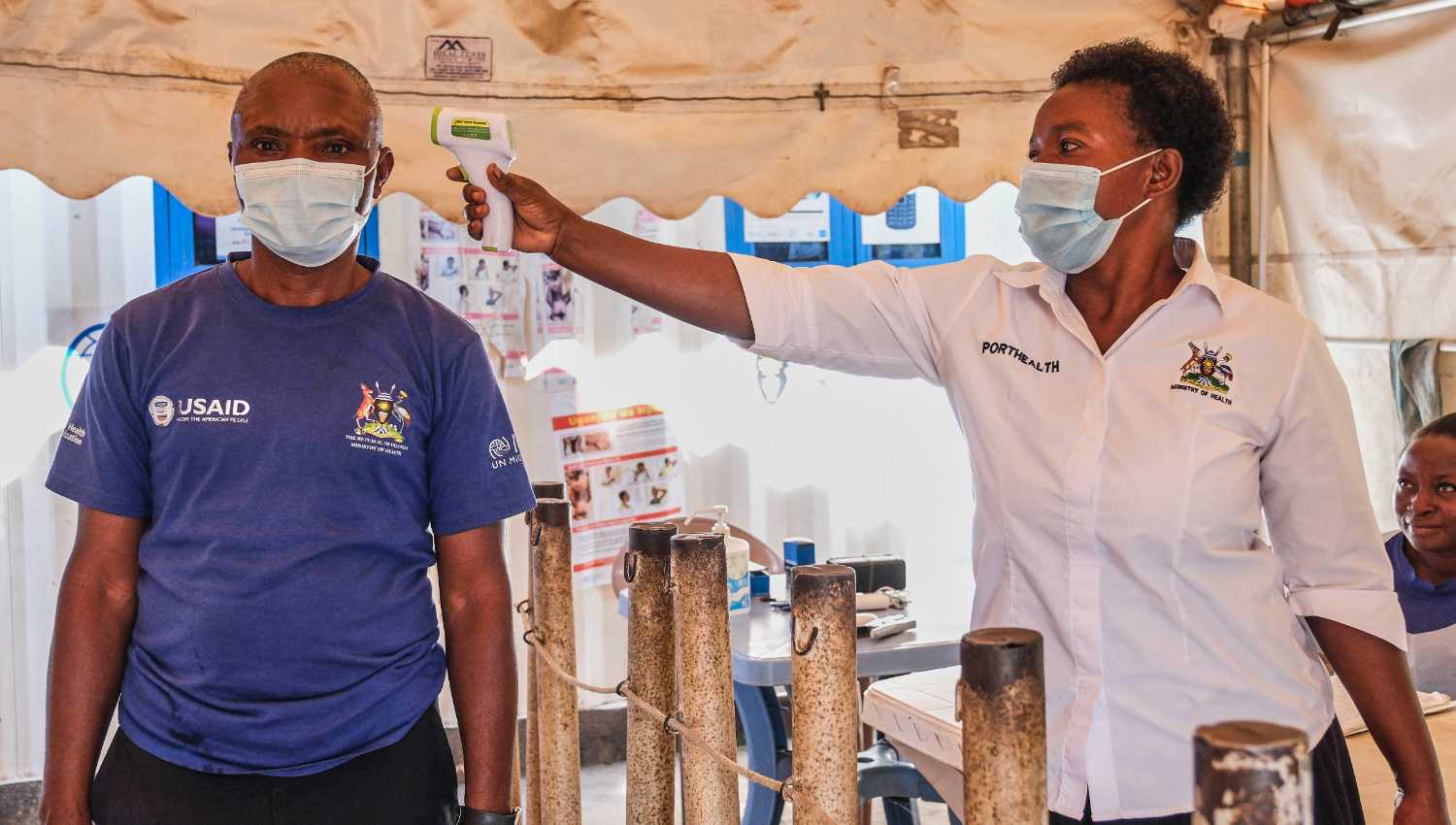
The comparatively light toll reflects the experience Uganda has built up in responding to the disease, which it has faced several times before. Rapid case tracing, isolation of contacts and established treatment protocols helped keep the number of infections low and prevented the kind of wider spread that has overwhelmed health systems elsewhere.
That contrast is stark just across the border. In the Democratic Republic of Congo, a separate outbreak has been accelerating rather than easing. By late August the country had recorded more than 5,600 confirmed cases and over 2,700 deaths, with the north-eastern province of Ituri at the centre of the epidemic. Uganda has begun helping to set up treatment centres inside Congo to support the response there.
Ebola is a severe illness that spreads through contact with the bodily fluids of infected people, and outbreaks can move fast if they are not caught early. The difference between Uganda’s contained episode and Congo’s growing crisis underlines how much the outcome depends on the speed and strength of the initial response.
For now, the declaration is a moment of relief for Uganda and a reminder of what effective public health work can achieve. It also leaves a clear warning next door, where the same virus is proving far harder to stop, and where the coming weeks will test whether the lessons that worked in Uganda can be applied in a much larger and more difficult setting.