

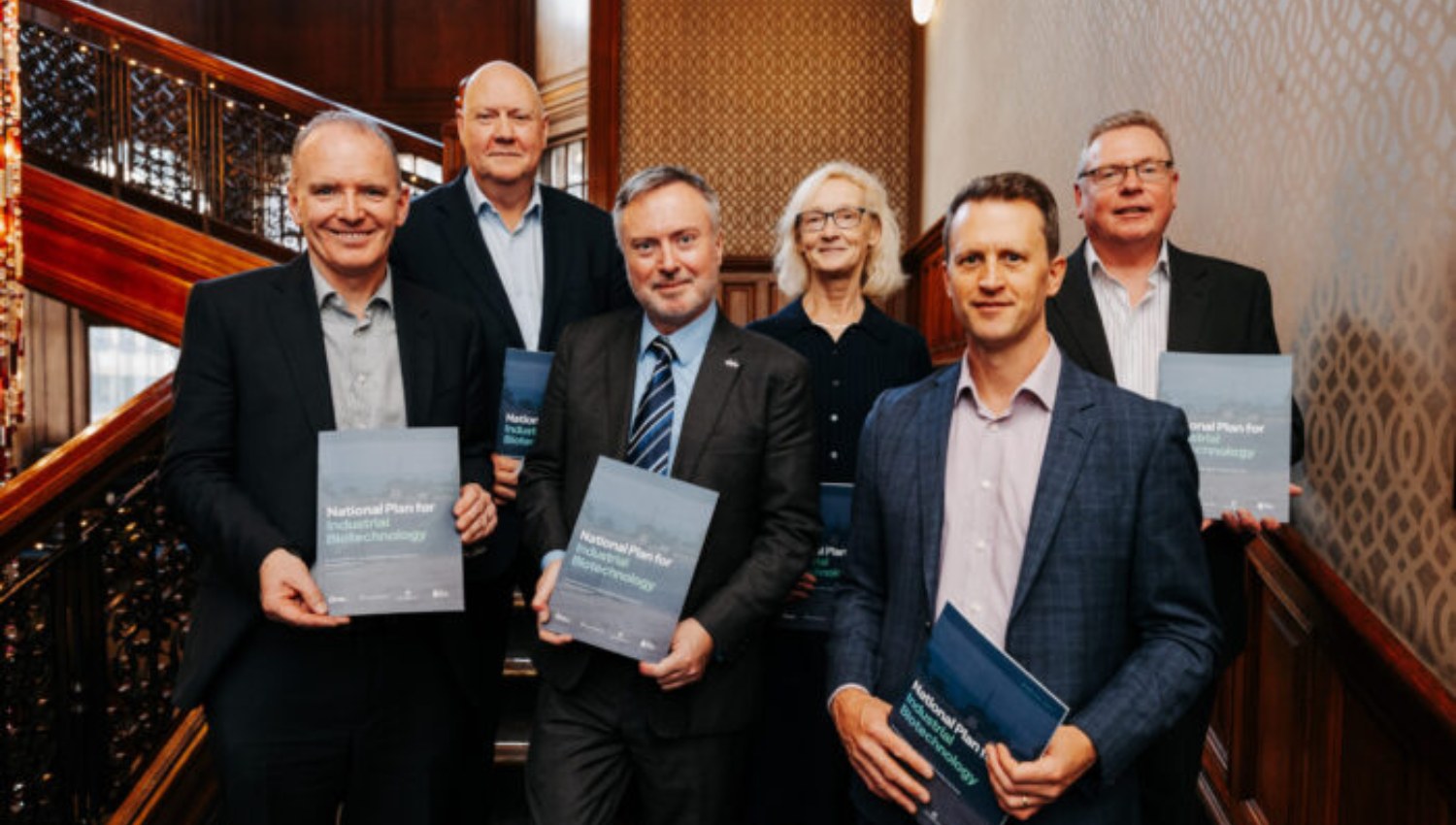

Scotland has set a goal of lifting annual turnover in its industrial biotechnology sector to £2 billion by 2030 under an updated national plan. The strategy, launched on 8 October, puts access to commercial scale-up facilities, investment and skills at the top of its priorities.
The Industrial Biotechnology Innovation Centre (IBioIC) drew up the plan for Scottish Enterprise. Alongside the turnover goal, it aims for 220 active companies, more than 5,500 jobs and £650 million in gross value added by the end of the decade. Alyn Smith MSP, the minister for innovation, technology and tertiary education, launched it at the Scottish Biobased Manufacturing Launchpad Showcase. Industrial biotechnology uses renewable biological resources and waste to make chemicals, materials and energy that can replace fossil-based products.
The sector has grown sharply since the first national plan was published in 2013. The number of active companies has risen from 43 to more than 175, and turnover has climbed from £189 million to over £1.6 billion, based on the most recent 2023 figures from the Office for National Statistics. The industry now employs more than 4,500 people and adds over £500 million in gross value added to the Scottish economy.
Mark Bustard, chief executive of IBioIC, said the sector had “come a long way since 2013” despite economic and geopolitical headwinds, but named scaling up as a major hurdle. He said firms need commercial-scale facilities to prove their processes, investors who understand the sector and reliable supply chains. IBioIC already runs the FlexBIO scale-up facility, and the planned Grangemouth Sustainable Manufacturing Campus, backed by £20 million from the Falkirk and Grangemouth Growth Deal, is meant to add capacity for bio-based manufacturing. The Launchpad programme, which received £7 million from UKRI Innovate UK in 2023, has since supported 32 projects involving 30 small and medium-sized firms.
Delivery will rest on an industry-led taskforce, an online platform linking innovators with specialist expertise and facilities, and an IB Skills Observatory being developed with Skills Development Scotland, universities and colleges to track workforce needs. Progress towards the 2030 targets will be monitored through an annual IB Dashboard. Smith described industrial biotechnology as one of Scotland’s most promising routes to sustainable growth, saying it can help food and drink, agriculture and pharmaceuticals cut emissions, decarbonise processes and use resources more efficiently.