

Edinburgh company Machines With Vision has won a multi-year, multi-million-pound contract with Network Rail for a system that guides track crews to faults. The deal follows a two-year pilot and strengthens the firm’s push into a global rail maintenance market estimated at about £60 billion.
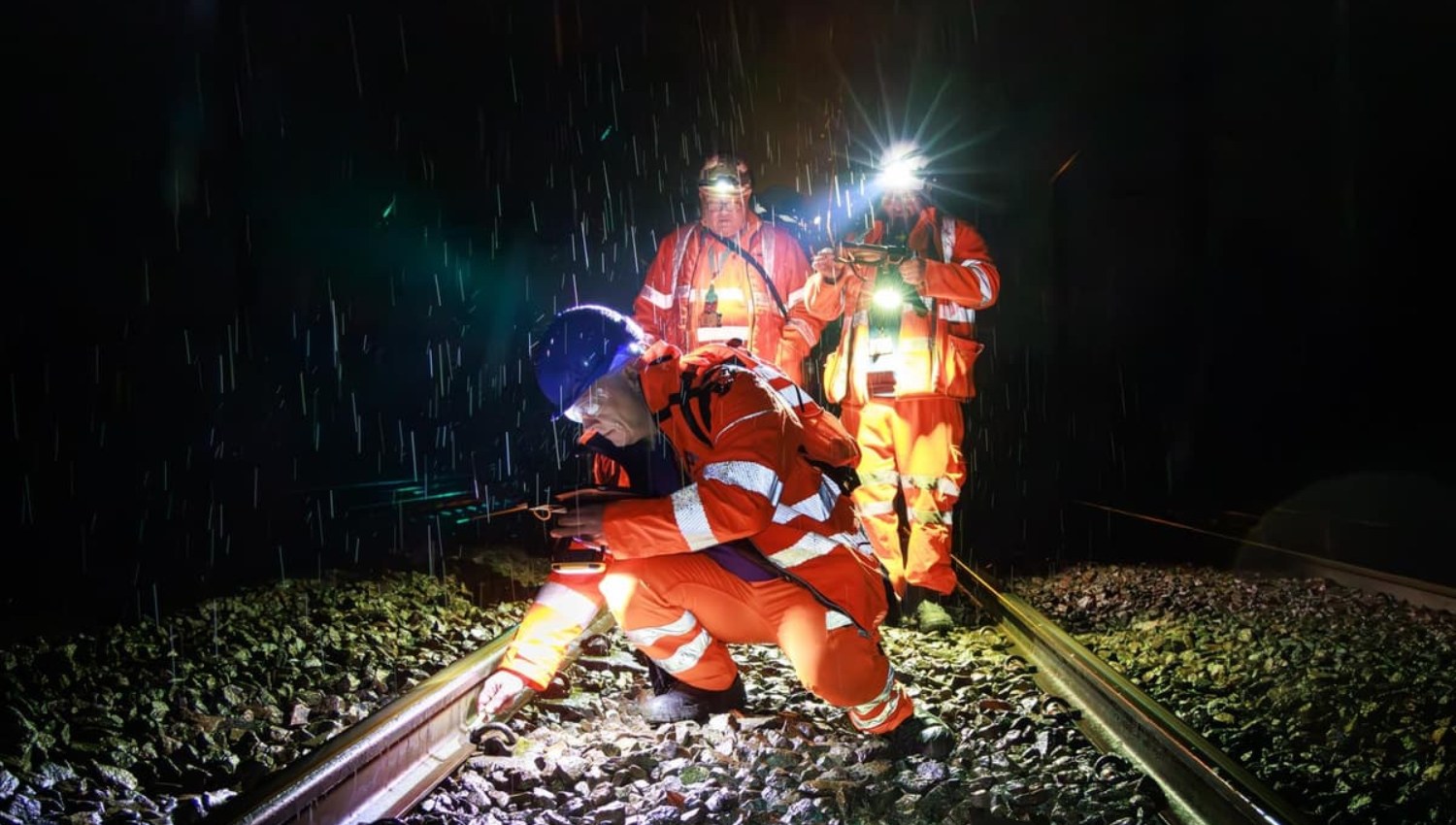
The technology uses cameras mounted underneath inspection trains to build a highly accurate, image-based geospatial map of a rail network. Crews are then directed to suspected defects with millimetre accuracy through the company’s Fault Navigator app. The firm is targeting a costly problem: imprecise location data for track defects is estimated to cost the rail sector up to £4.5 billion a year worldwide through repeat site visits and wasted crew time. It also creates safety risks, because staff are sent into hazardous trackside areas to hunt for faults that have been flagged but not pinpointed.
Mark Chestney, infrastructure monitoring programme manager at Network Rail, said finding each suspected defect on site used to take about an hour on average and now takes around five minutes. Network Rail receives thousands of suspected defects a year, he said, so the savings add up to thousands of hours, and less time on the track means fewer slips, trips and falls. He noted that emergency speed restrictions can cost thousands of pounds a minute in certain locations, and said sending people “to fix things rather than find things” was a far more efficient way of working.
Chief executive and co-founder Anthony Ashbrook said worker and public safety comes first on complex and dangerous rail networks, and that getting crews to the right place first time reduces the chance of missing a defect. Ashbrook previously pioneered Mobile Visual Search, technology now used in apps such as Amazon Shopping and Google Lens. Chief technology officer Jon Owen helped digitally map the UK rail network and developed the sector’s first visual inspection system.
The company is now expanding its work with national rail infrastructure operators in Europe, North America and Australasia, and has opened a new external investment round to fund that international growth. Ashbrook rejected the idea that rail is a historic industry, arguing that it will become even more important to economies, societies and global sustainability as the market moves towards greater automation. He said the company expects to announce further contract wins “in due course”.