

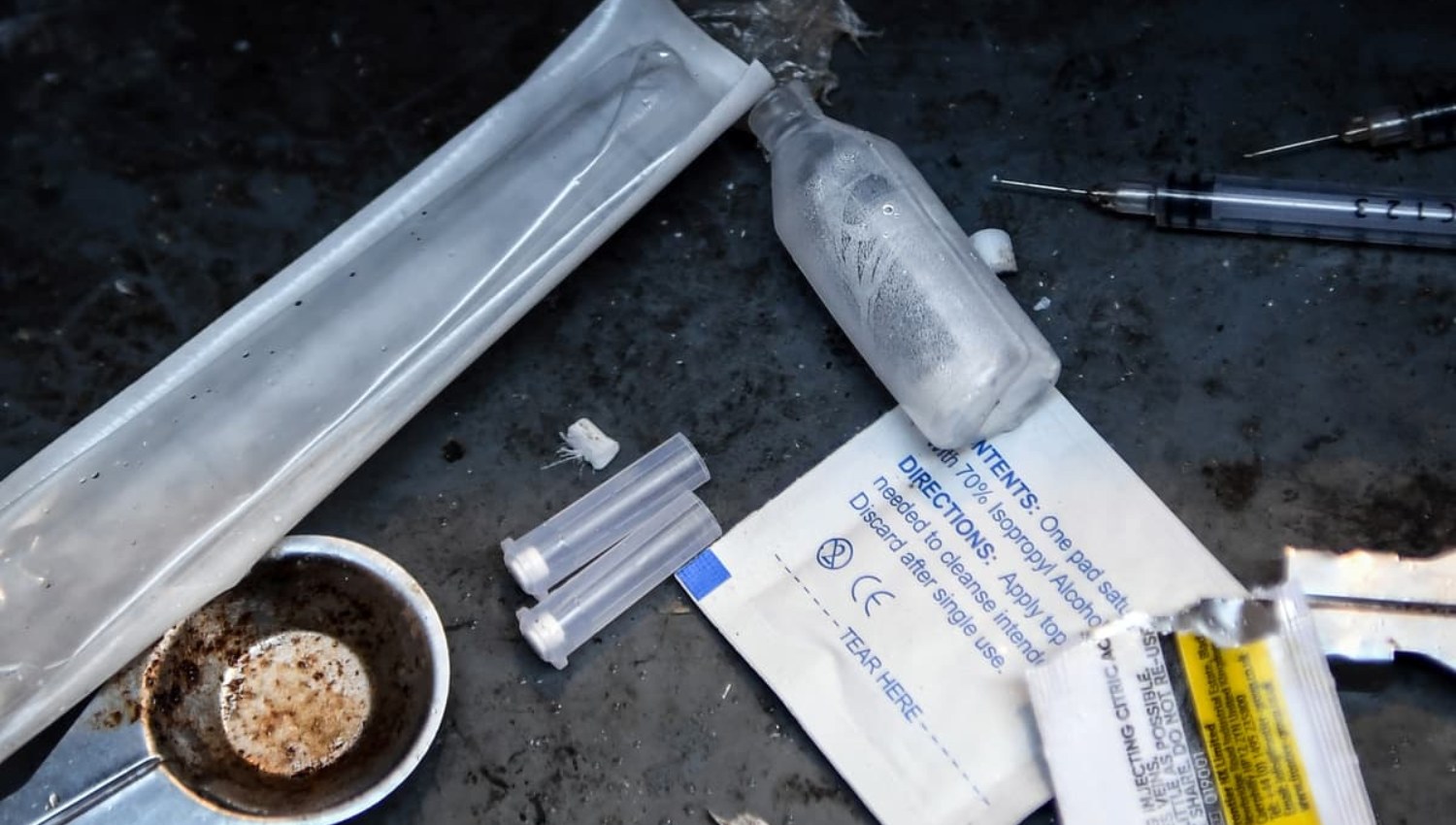

Scottish ministers have not held talks with police about an alleged synthetic drugs laboratory discovered in Ayrshire last year, which senior officers have described as the first of its kind in the UK. The Scottish Liberal Democrats say the lack of contact shows the government is not acting with enough urgency on drug deaths.
Police Scotland Deputy Chief Constable Jane Connors told the Scottish Police Authority board about the site, referring to “a nitazene lab in Ayrshire that policing found”. She said the seizure of the lab’s equipment and products had significantly cut the supply of benzodiazepines. Records show SNP ministers have not spoken to police about the lab since it came to light. Police Scotland said a 28-year-old man and a 23-year-old woman have been arrested and charged in connection with serious organised crime offences, and a 34-year-old man has been arrested and charged over money laundering and fraud. Reports have been sent to the procurator fiscal.
The row comes after drug deaths in Scotland rose by 11% in a year, leaving the country with the highest rate of substance-related deaths in Europe. Figures suggest that synthetic drugs made in laboratories have helped keep the death toll high, and critics argue the Scottish Government is not doing enough to bring it down.
Adam Harley, the Scottish Liberal Democrat health spokesperson, said new synthetic opioids, some of them hundreds of times stronger than heroin, had made the emergency worse. He said his party first raised the issue with ministers almost three years ago, and described the government’s answer in parliament a fortnight earlier as lacking energy. Had he been responsible, he said, he would have sought information from everyone involved as soon as the lab was uncovered. “They didn’t speak to the police at all,” he said. Harley added that many SNP ministers have held the drugs brief, but none has matched the scale of the crisis with action, even though the government has plenty of powers to tackle it.
Drugs Minister Maree Todd said the government is working with partners to respond to an increasingly toxic drug supply, including nitazenes. She pointed to a strengthened RADAR early warning system, Scotland’s first local drug-checking service, which is due to open soon in Glasgow, and a new Alcohol and Drugs Strategic Plan backed by record funding to improve surveillance and links to treatment. She said ministers would not comment on or intervene in live investigations.