

Around 1.6 million people in Scotland attended an immersive experience, such as an illuminated trail, over the past 12 months, generating £233 million for the Scottish economy and supporting more than 3,000 jobs. The figures come from research by Grant Thornton, whose wider economic modelling puts the total value at £463 million once supply chains and staff spending are included.
The study forms part of the Experience Economy Index, which Grant Thornton produced with Experience UK and academics from King’s College London. That wider spending of £463 million supports around 3,030 full-time equivalent jobs. The firm’s research also found that 40 per cent of people across the UK are increasingly putting experiences ahead of material purchases, a figure that rises to 54 per cent among 18 to 34 year olds. Younger adults are therefore the group most likely to spend on events, attractions and days out over physical goods.
Two in five respondents said digital overload made them more likely to choose experiences that help them feel present. Thirty-eight per cent of UK adults said they prioritise experiences to create lasting memories, 36 per cent to spend time with loved ones and 25 per cent to break away from everyday routines. The spending also reaches beyond the venues themselves: 44 per cent of attendees eat or drink locally, and 40 per cent shop nearby. Financial services, travel, hospitality, retail, technology and infrastructure are among the sectors the report identifies as affected.
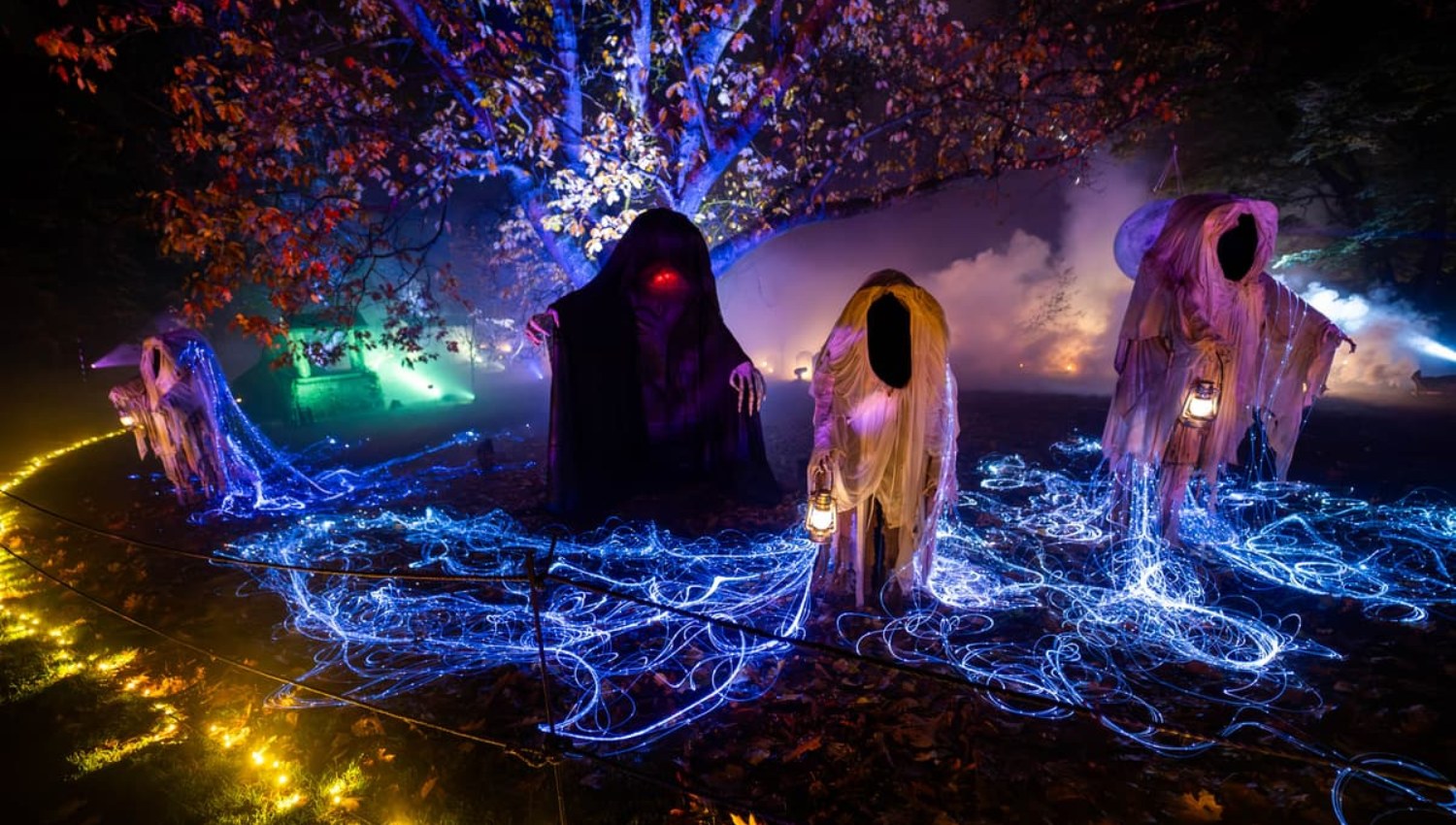
In Glasgow, the zombie-themed GlasGLOW trail at the Botanic Gardens is one of the best-known examples. It is produced by Glasgow-based itison, creates more than 150 jobs and draws on Scottish lighting and sound designers, set builders and street food vendors. In Edinburgh, the Dynamic Earth science centre, which sits below Arthur’s Seat and Salisbury Crags, is another attraction cited in the coverage, drawing visitors to the foot of the city’s best-known hill. Both are examples of the kind of ticketed, shared experience the index measures, where visitors pay for an evening or a day out rather than for goods to take home.
Colin Park, a tax partner at Grant Thornton UK based in Scotland, said: “Scotland has always known how to put on a good show.” Tom Middleton, an economic consulting partner at the firm, said the economic value of shared, in-person experiences is increasing as more people choose them. The findings arrive as light trails and seasonal attractions prepare for their autumn and winter runs across the country.