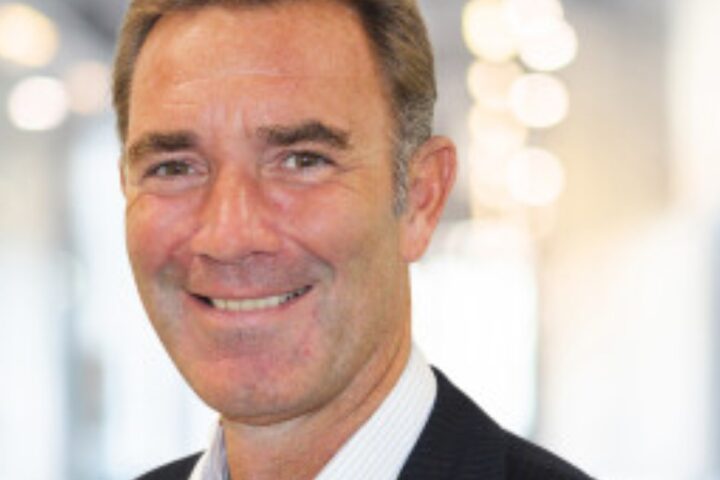


Liam Coleman has been named permanent chair of the Financial Ombudsman Service after a year in the job on an interim basis. The Financial Conduct Authority Board made the appointment with the approval of the Treasury, and his three-year term began on 10 October 2026.
Coleman brings a mix of banking, regulatory and public sector experience to the post. He is group chair of London & Quadrant Housing Trust and has previously held roles at the FCA, an NHS Foundation Trust, Nationwide Building Society, Royal Bank of Scotland and the Co-operative Bank. The Ombudsman settles complaints between consumers and financial firms, and Coleman said he was “honoured to take on the permanent role”, describing the service as central to fairness and trust in the financial system. He said he looked forward to continuing his work with the board, the executive team and the service’s wider stakeholders.
FCA chair Ashley Alder said Coleman had shown “strong leadership and valuable insight” during his interim year. Alder said Coleman’s background across financial services, regulation and public service would help build a redress system that works fairly and predictably for consumers and firms alike.
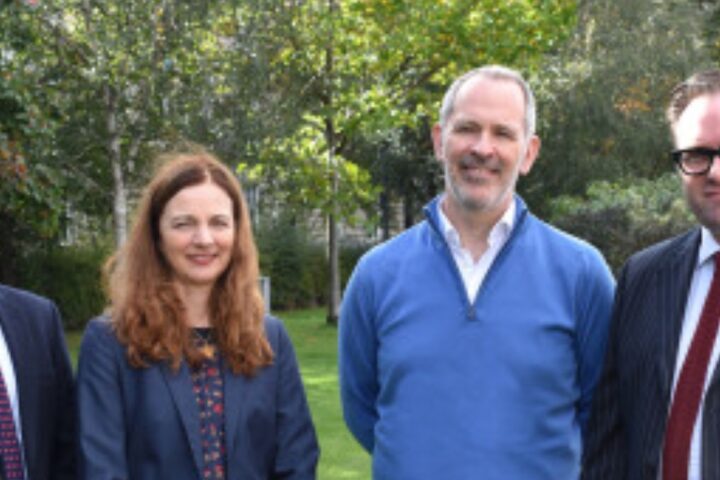
The announcement arrived during a difficult week for the regulator. The FCA’s annual public meeting, held at the Assembly Rooms, was its first in Scotland and, according to the regulator, its largest, with more than 900 people attending online or in person. The meeting followed the death of whistleblower Simon Andreisz, and campaigners and whistleblowers used it to challenge the FCA’s decision to let one of its own non-executive directors, Lea Paterson, lead a review of how the regulator communicated with him and handled whistleblowers more broadly. The board faced heavy questioning over that choice.
In one heated exchange, Andy Agathangelou, founder of the Transparency Taskforce, called on Alder to resign, and the board faced intense scrutiny from whistleblowers and campaigners over the planned probe. Against that backdrop, the FCA chose continuity at the Ombudsman, keeping in place a chair who has already spent a year working with its board and executive team. For Coleman, the confirmation brings stability at the top of the complaints body for the next three years. For the FCA, attention now turns to whether its review of whistleblower handling, led from inside its own board, can satisfy the critics who packed its first public meeting in Scotland.