

Oil prices pushed higher on Monday, with Brent crude climbing to $107.82 a barrel, a gain of $3.21, as traders weighed conflicting signals over the movement of tankers through the Strait of Hormuz. US West Texas Intermediate rose $3.17 to $103.22, leaving both benchmarks up more than 3% on the day and holding well clear of the $100 mark that has framed the market in recent weeks.
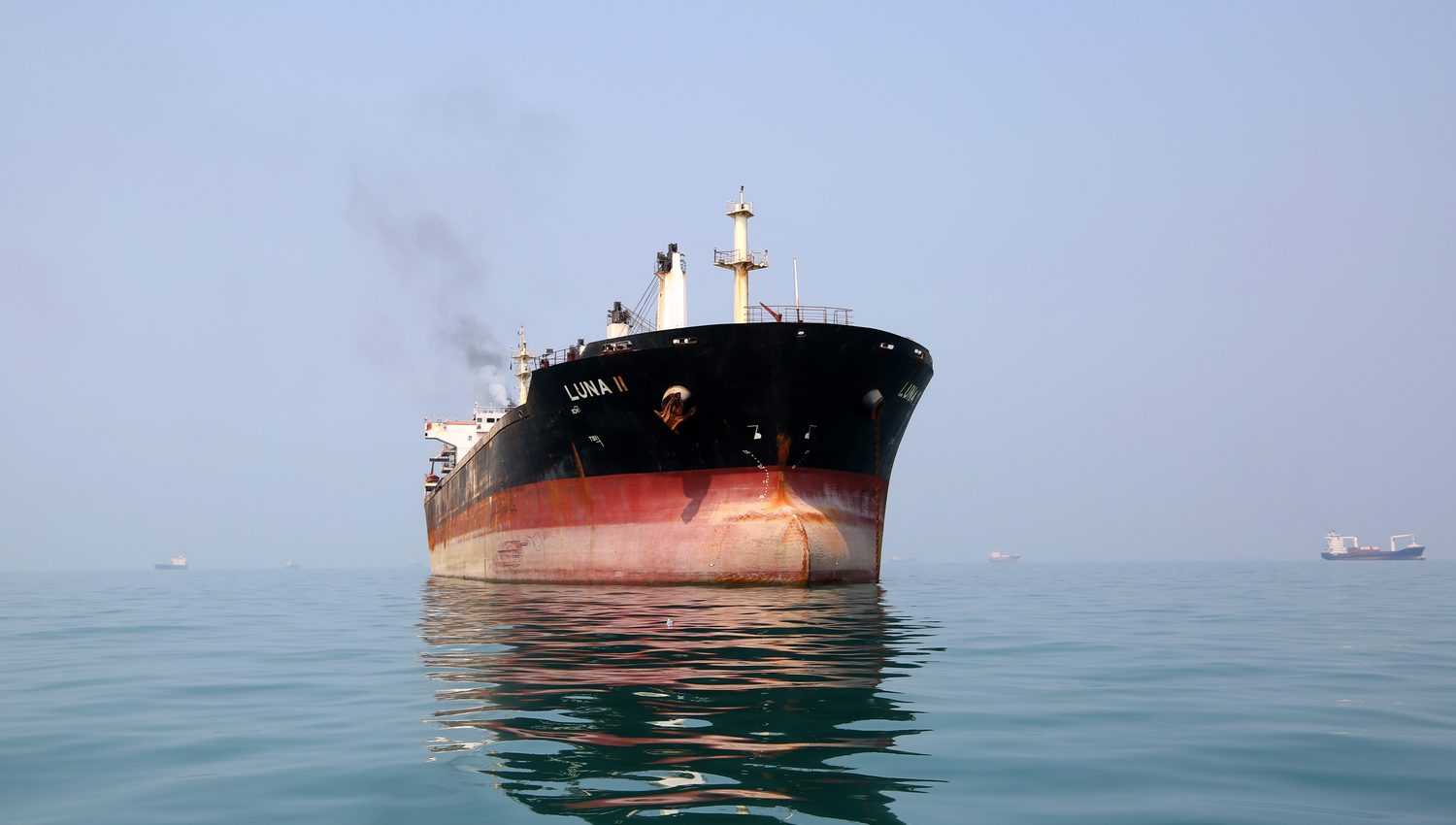
The strait, which normally carries around a fifth of the world’s oil and gas, has become the focus of trading after fighting between the United States and Iran disrupted shipping. US Energy Secretary Chris Wright said traffic was recovering, telling reporters, “we’re back to two-thirds or north of two-thirds of the previous flows,” and put the current rate at roughly 10 million barrels a day.
Market analysts questioned that account. Chris Beauchamp, chief market analyst at IG Group, said, “Despite US claims to the contrary, Hormuz is not under its control, and oil is not flowing freely.” Shipping figures cited in the report pointed to only single digit vessel transits on some recent days, against a normal pattern of more than 100 ships and about 20 million barrels passing through daily.
The cost of moving crude through the region has climbed sharply. War risk insurance, which sat at around 0.25% of a vessel’s hull value before the conflict, has jumped to between 3% and 10%. That adds $3 million to $10 million to the cost of sending a $100 million tanker through the waterway. Adding to supply worries, the shutdown of a major East to West pipeline threatened roughly 4% of global oil output.
The standoff has kept a risk premium locked into crude prices, with the market reacting to any sign that shipping through Hormuz could be squeezed further. For now, the gap between official reassurances and the data reaching traders has left prices elevated. Any renewed escalation between Washington and Tehran could push them higher, while a durable return of tanker traffic would be needed to bring them back down.