

When Parveen Kumar first glimpsed the sprawling inefficiencies plaguing global supply chains, he saw not obstacles but opportunities waiting to be unlocked through strategic digital implementation.
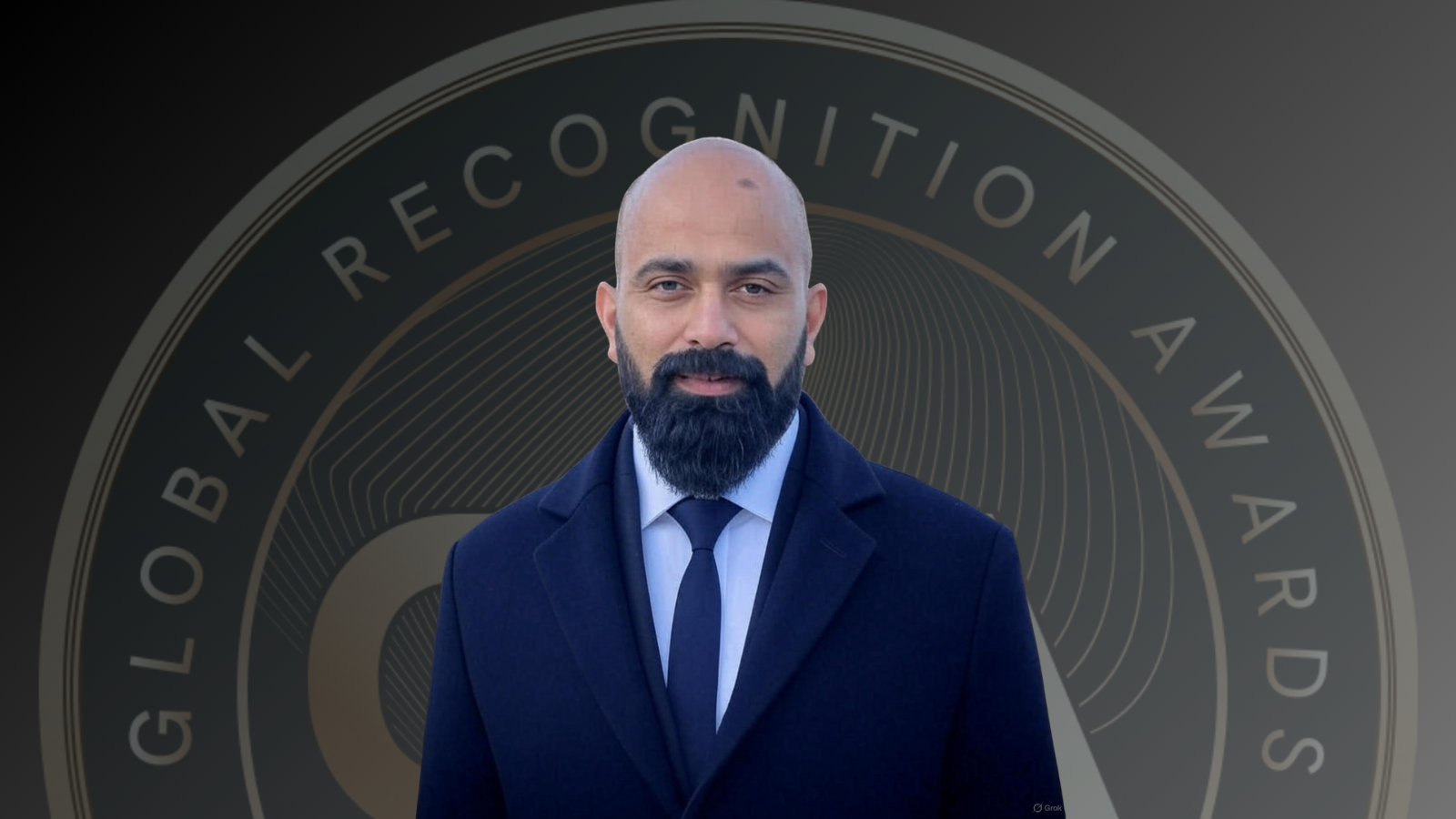
The supply chain veteran recently received a 2025 Global Recognition Award for improving the global supply chain. He has spent over 15 years reshaping how multinational corporations move goods across continents. His work, from the automated warehouses of Amazon India to the pharmaceutical distribution networks of major healthcare companies, consistently delivers measurable efficiency and cost reduction improvements.
Kumar’s approach to supply chain optimization reflects a deep understanding of technological capabilities and human dynamics. Rather than pursuing technology for its own sake, he focuses on creating systems that serve real business needs while maintaining ethical standards and regulatory compliance. This philosophy has guided his work across multiple industries and geographic regions, from North America to Europe to Asia.
Improving Global Logistics at Scale
Kumar’s most significant achievement centers on his Oracle Transportation Management system deployment leadership across 15 worldwide factories at Reckitt. This initiative fundamentally altered how the consumer goods company approached international logistics, resulting in a 25 percent increase in customer fill rate and a 20 percent improvement in logistics efficiency.
The project required navigating diverse geographical markets and regulatory environments while maintaining operational continuity. Kumar’s team tackled critical inefficiencies that had long hampered global operations, creating solutions that improved immediate performance metrics and set new standards for supply chain management in the consumer goods industry.
The scale of this change demonstrates Kumar’s ability to execute complex international initiatives while managing multiple stakeholder relationships. The project’s success created sustainable frameworks for long-term operational excellence, positioning Reckitt for continued growth in an increasingly competitive global marketplace.
Building Trust through Ethical Implementation
Kumar’s commitment to ethical business practices became particularly evident during his work on the SAP S/4HANA implementation for Becton Dickinson across North America and Europe. This project achieved a 95 percent adoption rate while ensuring fair trade practices and regulatory compliance, earning stakeholder trust across diverse cultural and business environments.
The implementation required careful attention to local regulations and business customs while maintaining consistent global standards. Kumar’s approach emphasized transparency and stakeholder engagement, creating buy-in from teams across different regions and organizational levels. This methodology has become a template for other large-scale technology implementations in the healthcare sector.
His work with Becton Dickinson also demonstrated how ethical decision-making can enhance rather than constrain business performance. By prioritizing compliance and fair practices, Kumar’s team built stronger relationships with suppliers and partners, creating a more resilient and sustainable supply chain network.
Delivering Measurable Financial Impact
Kumar’s strategic initiatives have generated substantial cost savings for the organizations he has served. His work has secured £600,000 in annual logistics savings while realizing £1 million through value engineering initiatives. These achievements reflect his ability to identify and eliminate inefficiencies while maintaining service quality and operational reliability.
His experience overseeing Amazon India’s warehouse automation project, which involved 18,000 miles of conveyors and robotics systems, showcased his capability to manage large-scale technological implementations. The project required coordinating multiple vendors, managing complex timelines, and ensuring seamless integration with existing systems while minimizing disruption to ongoing operations.
Kumar’s success in leading cross-functional teams of up to 17 members across different time zones and cultural contexts highlights his ability to inspire and motivate diverse groups toward common objectives. His leadership style emphasizes collaboration and continuous improvement, fostering environments where teams can excel and deliver strong results while maintaining high professional conduct and technical excellence standards.