

For most of its history, Fashion Week has functioned like a private club disguised as a public spectacle. Images traveled widely through magazines, television broadcasts, and later the endless scroll of social media. But the physical seats along the runway were reserved for a narrow circle. Editors, buyers, stylists, and celebrities filled the front row while everyone else watched from a distance.
That distance carried meaning. The front row represented more than proximity to the models. It signaled authority over taste and influence over the industry. It decided who belonged inside fashion’s inner circle and who remained outside.
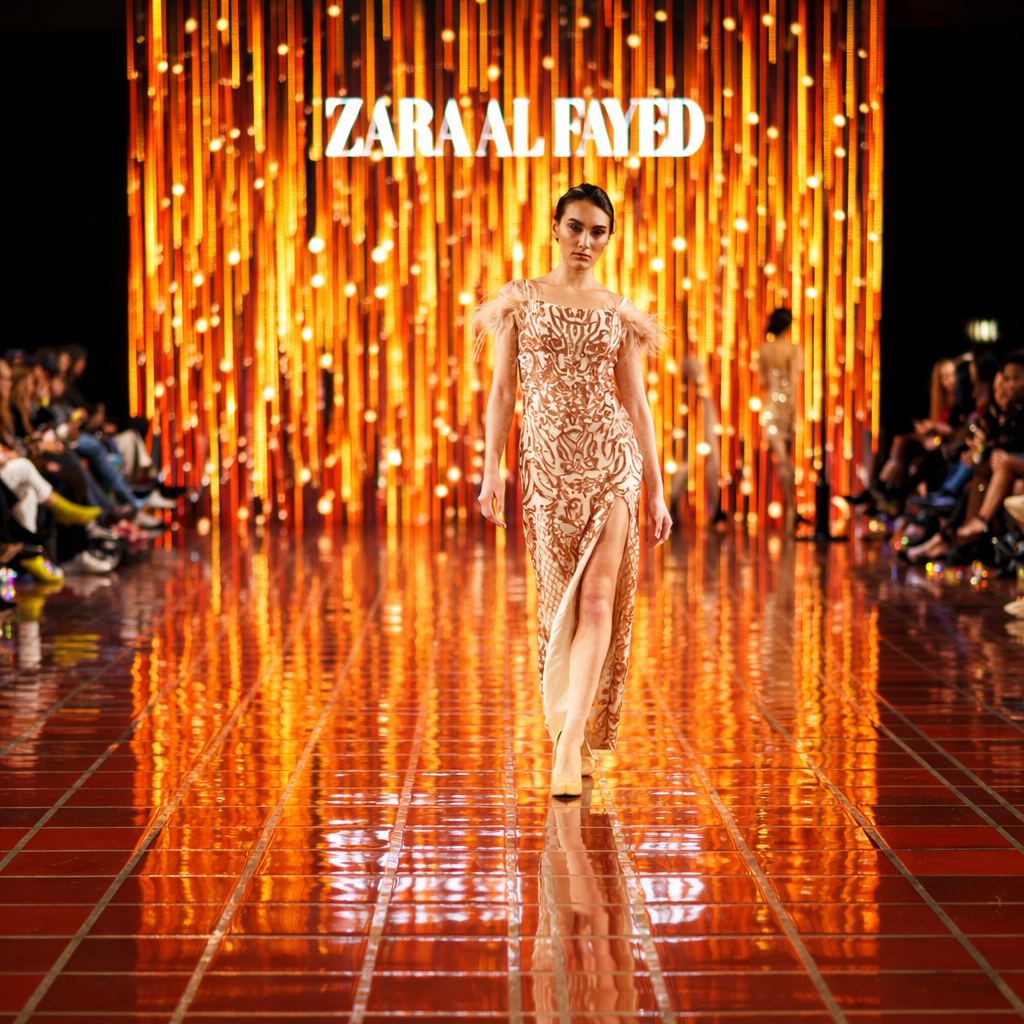
In March 2026, Los Angeles Fashion Week hosted by The Bureau Fashion Week, introduces a different arrangement. Over two days at The Lot Studios in West Hollywood, five runway shows featuring more than 50 designers will unfold before audiences that include industry professionals and paying guests alike. Tickets begin at $65 and reach nearly $2,000 for premium packages that include front-row seating, lounge access, and backstage experiences.
The front row, once controlled through invitation lists, now carries a price.
Fashion as Experience
This development reflects broader changes across the fashion industry. Retail growth has slowed in several Western markets, and brands increasingly seek direct engagement with audiences. Events, collaborations, and immersive experiences now play a central role in building attention and loyalty.
The Bureau Fashion Week’s model treats Fashion Week less as a closed trade event and more as live entertainment. The Los Angeles schedule includes five runway shows across two days. Guests may attend a single presentation or several throughout the weekend. Designers ranging from emerging labels to internationally recognized names share the program.
Guests select between standing admission, reserved seating, or front-row positions close enough to see the details of the garments as they move down the runway. Day passes and weekend passes allow access to multiple shows. VIP packages include lounge entry and concierge service inside the venue.
The format resembles a concert or festival schedule rather than a traditional industry presentation. The runway remains the centerpiece, but the surrounding experience becomes equally important.
The Price of Access
Opening Fashion Week to ticket buyers raises an obvious question. Greater accessibility does not eliminate exclusivity. It simply reorganizes it.
Ticketed entry removes the need for industry credentials, but access still depends on the ability to pay. General admission costs roughly the price of a concert ticket. Premium packages rival luxury travel experiences.
Yet the shift remains meaningful. For decades, attendance relied on personal connections and professional standing. The ticket system replaces those invisible networks with a clearer structure. Anyone can purchase entry without needing a publicist, brand relationship, or editorial role.
Organizers report that more than 40 percent of attendees at previous Bureau events were first-time Fashion Week guests. Their presence introduces a different energy into the audience. Students, creators, entrepreneurs, and fashion enthusiasts sit beside industry insiders who once occupied those seats alone.
The front row begins to resemble a public gathering rather than a private enclave.
A Different Kind of Runway
Los Angeles has often acted as a testing ground where fashion intersects with entertainment and digital culture. A ticketed Fashion Week fits comfortably within that environment. The audience that watches runway clips online already participates in the culture of fashion. The question becomes whether they should be invited into the room itself.
The Bureau Fashion Week proposes that the answer is yes, though the invitation arrives with a price.
The runway will continue to display garments, models, and the theatrical rhythm of fashion presentation. But the audience will reveal something equally significant. The industry built much of its allure through distance and exclusivity. As more seats become available for purchase, the meaning of that distance begins to change.