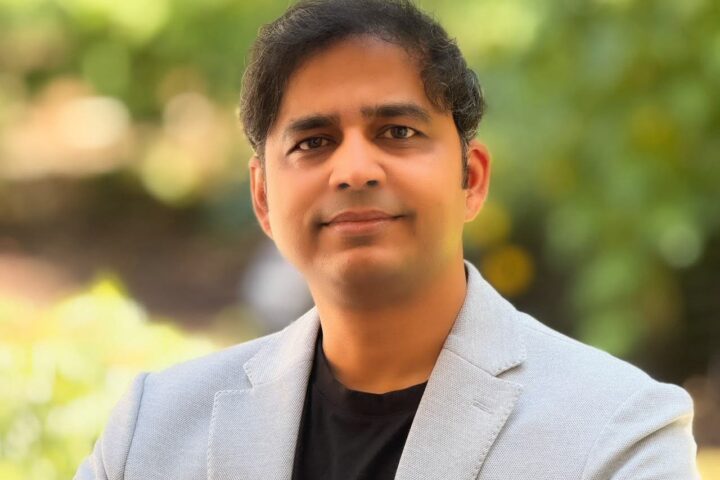

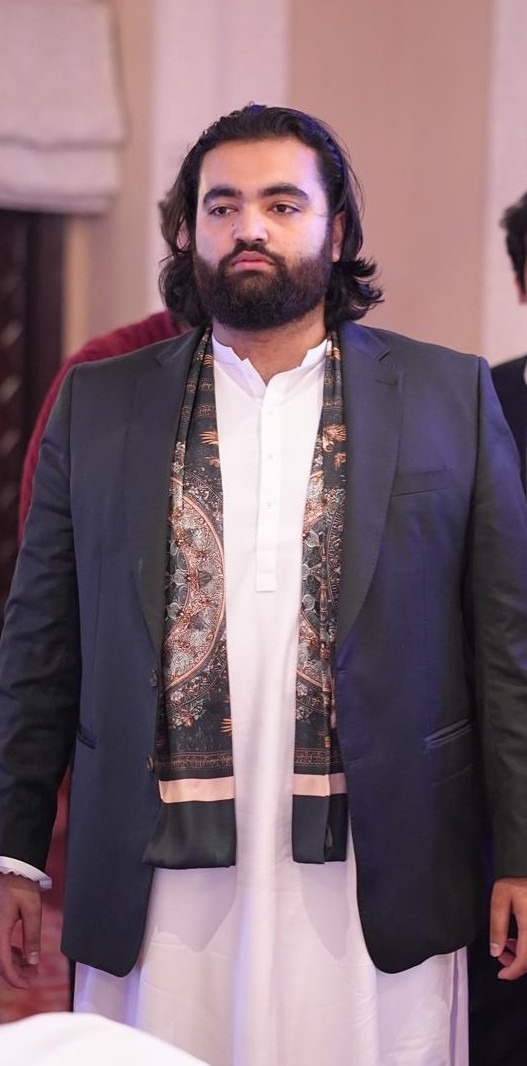

Mohammad Ur Rehman stands at the top of Samsons Agri Farm during a period when the Samsons Group of Companies has secured a firm position among Pakistan’s leading exporters. The group ranks within the top tier of cigarette manufacturers and leaf processors in the country, supported by decades of industrial activity across tobacco, FMCG, tourism, textiles, education, and hospitality. Distribution routes reach Eastern Europe, South and West Africa, Central and South Asia, and the Middle East, giving the business steady access to overseas buyers.
Leadership inside the group reflects a focus on systems and discipline rather than spectacle. Operations grew through repeatable processes, long-term supplier ties, and an export mindset built over many years. Industry recognition followed. Best Exporter awards in recent years marked consistency rather than a single surge. International buyers stayed because supply remained dependable and blends matched local preferences.
Growth did not arrive through slogans. Scale came from tight control over sourcing, processing, and logistics. Tobacco units developed a wide range of flavors and blends, strengthening market share at home and abroad. FMCG lines followed similar logic. Expansion stayed measured, guided by commercial demand rather than fashion. Such restraint shaped Mohammad Ur Rehman’s reputation as an executive focused on durability.
Turning Dry Land Into An Export Asset
Samsons Agri Farm placed Mohammad Ur Rehman into a different arena. Arid and sandy land outside Islamabad became productive farmland through large-scale irrigation and careful planning. Central pivot irrigation reduced water waste while allowing crops to grow where little had existed before. Fields once written off began producing Rhodes grass, alfalfa, wheat, millet, canola, sesame, fruits, vegetables, medicinal plants, and tobacco.
Energy use shifted toward solar generation, covering more than 90 percent of demand. Cost control improved while environmental pressure eased. Local and international professionals managed daily operations, creating a blend of regional knowledge and global standards. Agricultural output increased while water use fell, a rare combination in Pakistan’s dry zones.
Tobacco farming at the site drew attention across the sector. Sun-curing replaced firewood-based methods, cutting pressure on nearby forests. Exports from this activity crossed the ten-million-dollar mark in a single year. Employment expanded rapidly, with women making up the majority of the workforce. Wages flowed into surrounding communities, linking commercial farming with social stability.
Livestock, Barley, And A Broader Rural Footprint
Agriculture under Mohammad Ur Rehman did not stop with crops. Samsons Agri Farm built large herds of cows, buffalo, and sheep, with plans moving toward ten thousand animals. Meat and dairy output targeted export markets, adding another revenue stream tied to rural production. Animal waste supplied organic fertilizer and biogas, lowering dependence on external inputs.
Commercial contracts followed. A 500-acre barley agreement secured predictable income while improving crop rotation. Such deals reduced exposure to price swings and reinforced ties with large buyers. Support from state institutions and the Pakistan Army played a role, strengthening food security and export earnings at a national level.
The narrative returns to leadership style. Mohammad Ur Rehman operates without theatrical gestures. Decisions emphasize yield, cost, and long-term viability. Samsons Group and Samsons Agri Farm mirror that outlook. Industrial breadth supports agricultural risk. Agricultural success feeds export credibility. Each arm reinforces the other.
Across factories, fields, and foreign markets, the pattern remains consistent. Growth rests on discipline, patience, and an eye for scale. Pakistan’s export economy often swings between ambition and constraint. Samsons shows another path, one built on steady execution and land made productive again.