

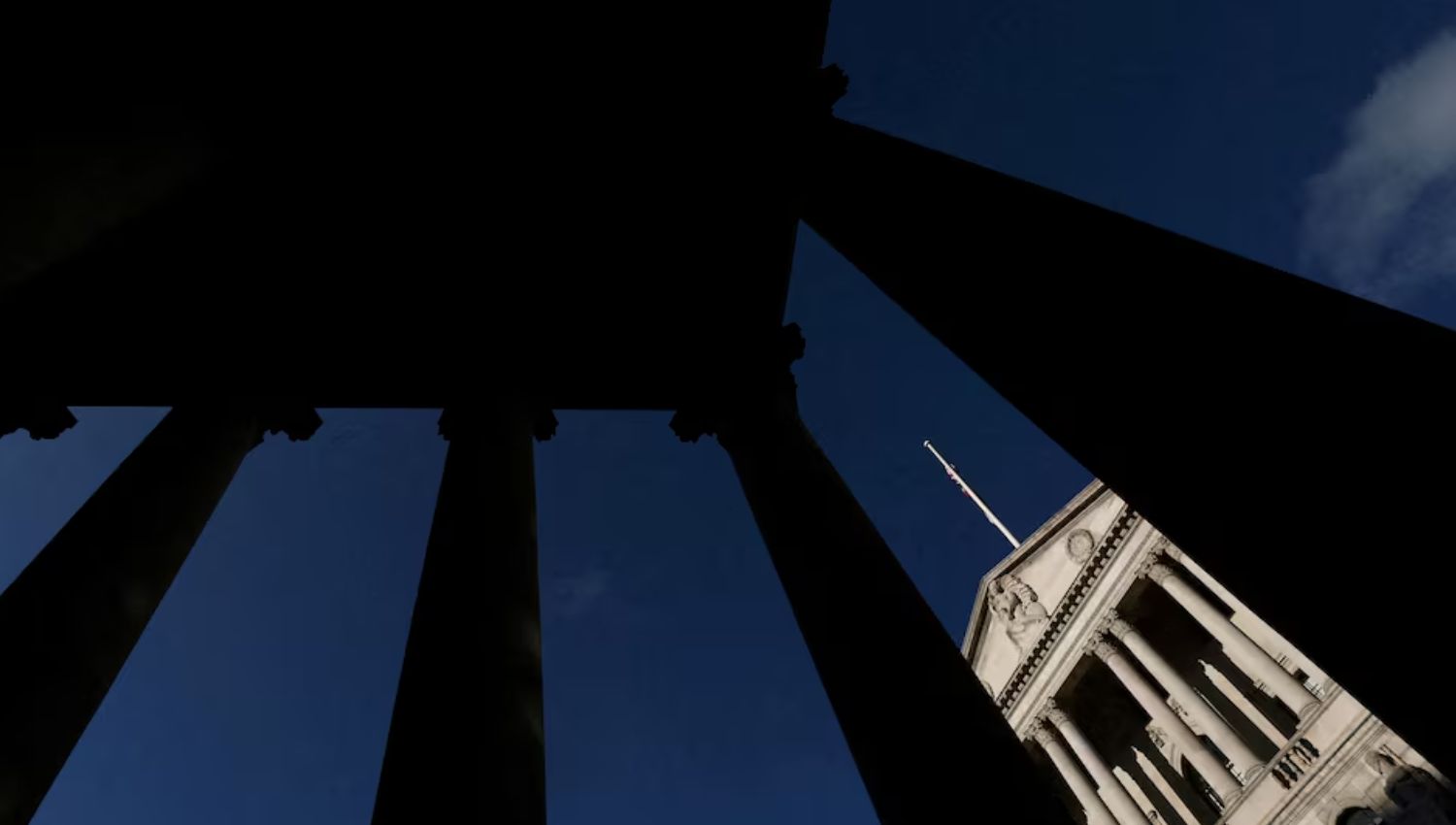
The Bank of England looks set to keep interest rates unchanged at 3.75 percent on Thursday, despite a recent spike in oil prices above $100 a barrel that could test whether it can avoid raising borrowing costs in response to the US-Iran conflict.
So far, British inflation has come in below the Bank’s forecasts, falling to a 15-month low of 2.6 percent in June. A lag in how regulated domestic energy prices respond to higher wholesale costs means the UK now has lower inflation than both the United States and the euro zone, where the European Central Bank looks likely to raise rates for a second time this year in September or October.
Markets and Economists Split Over the Outlook
A rate rise would be a blow for new Prime Minister Andy Burnham, who has pledged a renewed focus on lowering the cost of living and who will also have to contend with higher borrowing costs in his government’s first annual budget this autumn.
Neither economists polled by Reuters nor financial markets see any real chance of a rise this week, but they differ sharply on the longer-term picture. After last week’s jump in oil prices, interest rate futures moved to price in a two-in-three chance of a quarter-point rise in September and almost three moves by next June. Even after oil fell back to $90 a barrel on Monday, markets still fully priced in a hike by November. Yet only a handful of economists expect any increase this year.
Henry Cook, a senior economist at Japan’s MUFG, dropped a previous call that the Bank would make a precautionary rise similar to the ECB’s. “We’ve had three downside surprises now in a row on inflation and plenty of signs of slack within the labour market,” he said. In April, the Bank forecast inflation would peak at around 3.6 to 3.7 percent at the end of 2026 under two of its three oil-price scenarios, but in June it revised that down to just over 3.25 percent. Oil futures remain in line with the mildest of the Bank’s three scenarios, while the futures curve for natural gas prices, which hit a four-month high last week, is close to the middle scenario.
Inflation Still Above Target
British inflation has nonetheless run above its 2 percent target for most of the past five years. The Bank’s chief economist, Huw Pill, who voted for a rise in April and June, fears that a second oil price shock in four years could lead households and businesses to expect elevated inflation for years to come.
Governor Andrew Bailey, however, has argued that the Bank does not need to follow the ECB in raising rates, because it had cut them by less before the Iran war began at the end of February. British mortgage rates and business borrowing costs rose almost immediately once the Bank signalled in March that rate cuts previously expected in 2026 were unlikely. On Thursday, Bailey is likely to stress that the Bank will watch closely for increases in wages and prices not directly tied to higher energy costs. Household and business inflation expectations climbed sharply at the start of the conflict, but recent data, including on wages, has offered some grounds for relief.
A Review of Quantitative Tightening
The Bank is also likely to publish an analysis of how its bond sales programme affects markets ahead of an annual Monetary Policy Committee vote on its pace in September. Last year, it slowed the pace of quantitative tightening to £70 billion a year from £100 billion and skewed sales toward shorter-dated bonds. A Bank survey in June showed markets expect the pace to slow further to £50 billion.
Before last year’s decision, the Bank estimated that quantitative tightening had added 0.15 to 0.25 percentage points to long-term gilt yields, but research it published in May pointed to a larger impact of 0.4 percentage points. Costas Milas, a University of Liverpool professor and co-author of that research, said the Bank may need to reconsider the pace of sales but should not stop the programme entirely. “If we just ignore QT or pause QT … perhaps the BoE might have to raise Bank Rate earlier than it possibly has in mind,” he said.