
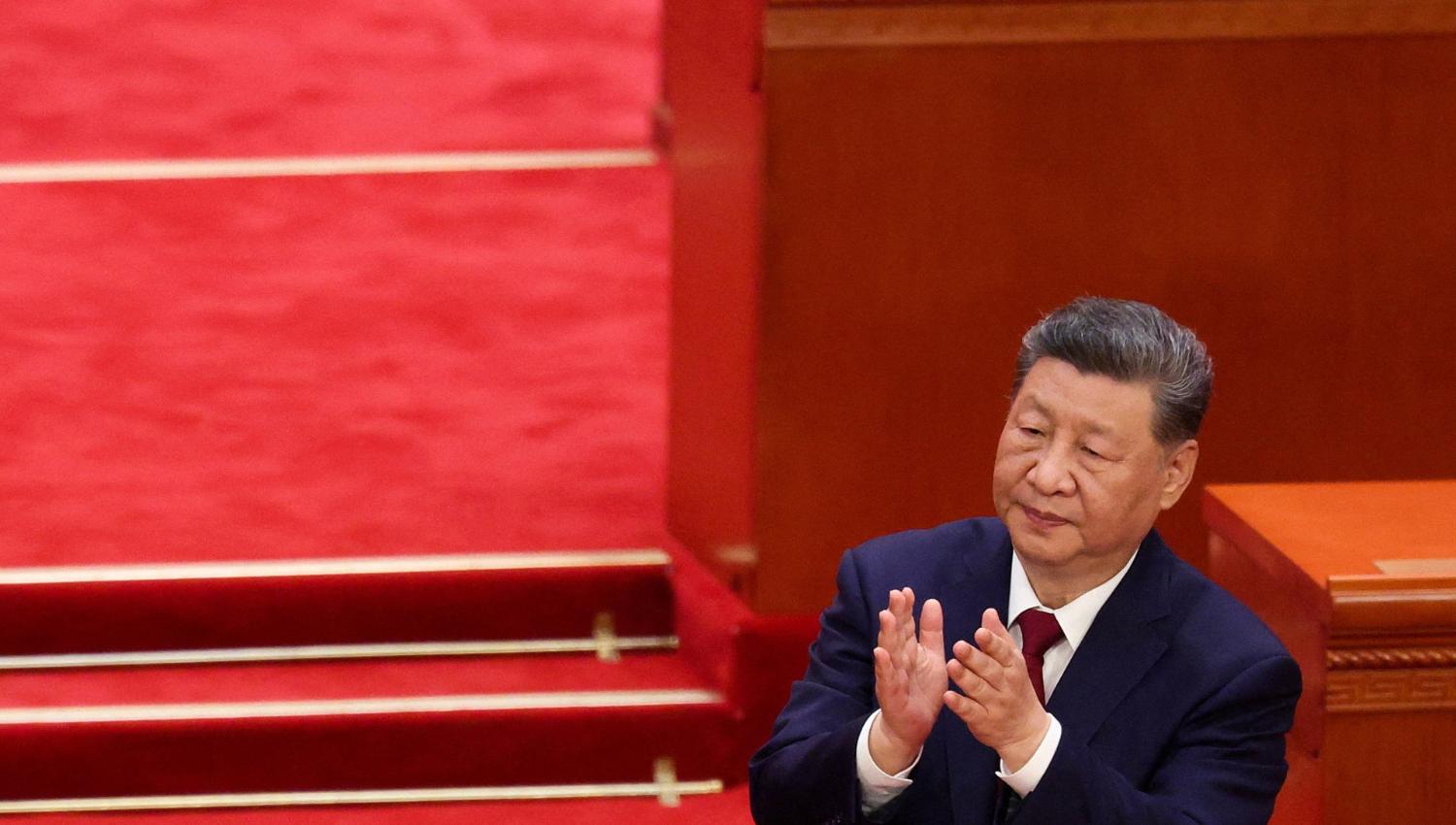

Chinese President Xi Jinping is making a state visit to Egypt, his first in a decade, in a trip that signals how far commercial and political ties between the two countries have grown. Xi is due in Cairo for talks with President Abdel Fattah El Sisi on the countries’ strategic partnership and on regional and international matters, at a moment when both governments are looking to broaden their options beyond traditional Western partners.
The visit, Xi’s first to Egypt since January 2016, comes as the two nations prepare to commemorate 70 years of diplomatic relations. Egypt was the first Arab and African country to formally recognise the People’s Republic of China, in 1956, a piece of history both sides are keen to highlight as they set out the next phase of cooperation.
Trade has become the backbone of the relationship. Two-way commerce reached about 20.8 billion dollars in 2025, up from 17.4 billion the year before, though the flow is heavily one-sided: Chinese exports made up the overwhelming share, with Egyptian exports to China worth well under a billion dollars. China has been Egypt’s largest trading partner for more than ten years.
Officials are expected to advance a programme of joint projects running through 2028, with a focus on electric vehicles, renewable energy and manufacturing. Much of that activity is centred on the economic zone around the Suez Canal, where Chinese firms have been expanding industrial operations that give them a manufacturing base close to European and Middle Eastern markets.
For Egypt, the deepening partnership is part of a wider strategy of balancing its relationships, keeping strong ties with Western governments and Gulf states while drawing in Chinese investment and technology. Cairo has sought foreign capital and industrial know-how as it works to grow its economy and create jobs, and China has been willing to supply both.
For China, the trip fits a longer pattern of building influence across the Middle East and Africa through infrastructure, trade and investment rather than security commitments. Egypt’s location, linking Africa, Asia and Europe through the Suez Canal, makes it a natural anchor for that approach.
The visit is largely about consolidation rather than any single headline agreement. It reaffirms a partnership that has quietly become one of the more consequential relationships in the region, and sets the tone for how Beijing and Cairo intend to work together over the coming years.