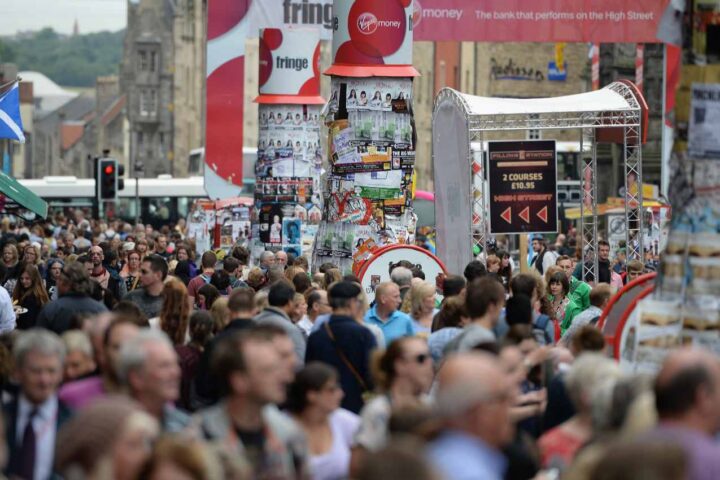

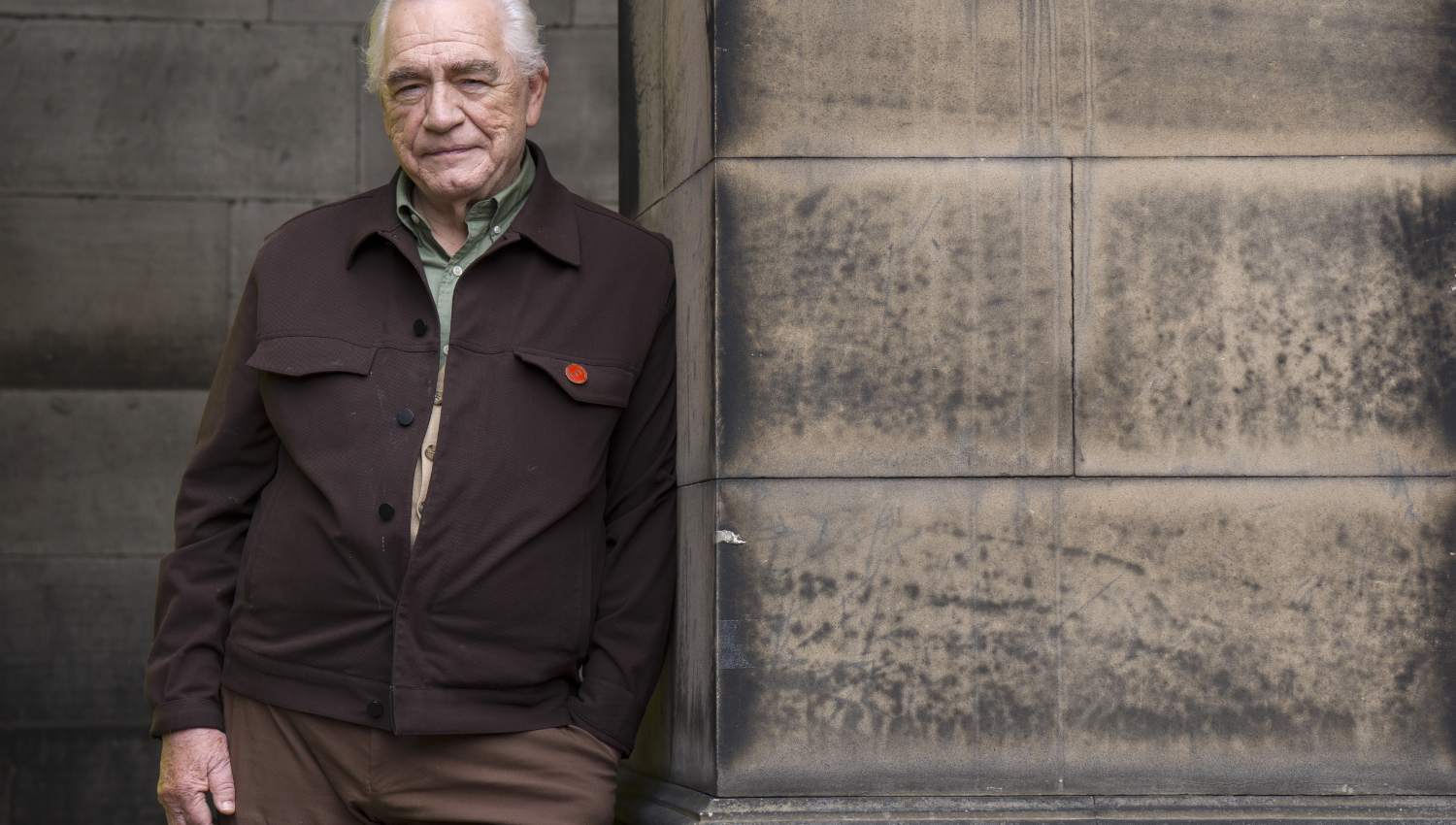

The actor Brian Cox has warned that the Edinburgh Festival could collapse under its own weight unless something is done about the cost of taking part. In blunt terms, he said the festival risks “imploding” if artists and audiences continue to be priced out, and he called for closer coordination between the events that make up Edinburgh’s crowded August.
At the centre of his concern is the price of a bed. Cox pointed to accommodation costs that can run to several hundred pounds a night during the festival, a level that turns lodging into a serious commercial venture and puts attendance out of reach for many performers. For artists who often lose money simply by showing up, that expense can be the difference between coming to Edinburgh and staying away.
His proposed remedy is what he called “unification,” bringing the separately run Fringe and the official Edinburgh International Festival into closer alignment so they can act together. “There’s got to be a kind of unification between both the Fringe festival and the official festival,” he said, arguing that a coordinated body would carry more weight in pressing authorities on pricing and in finding practical fixes.
Cox went further than diagnosis, floating concrete ideas. He suggested repurposing disused railway carriages as temporary, affordable housing for performers near the city centre, and raised the possibility of capping the number of Fringe productions so that the shows that do take part receive proper support and attention. Both suggestions speak to the same worry, that unchecked growth has come at the expense of the people the festival depends on.
The backdrop is a festival that has expanded to become the largest of its kind anywhere, cementing Edinburgh’s status as a global cultural destination. But that success has a cost, and Cox’s argument is that the current path is not sustainable if it keeps squeezing out lower-income artists and the audiences who might otherwise discover them.
His intervention adds a prominent voice to a debate that has been building for several years, and that came into sharp focus during this milestone summer. Organisers have themselves acknowledged that affordability is the pressing question for the festival’s next chapter.
Whether Cox’s specific proposals gain traction is uncertain, and any move toward closer working between the festivals would involve difficult questions of independence and control. But his central point, that Edinburgh’s festival season cannot keep growing while becoming harder to afford, is one that few inside the industry are now inclined to dismiss.