

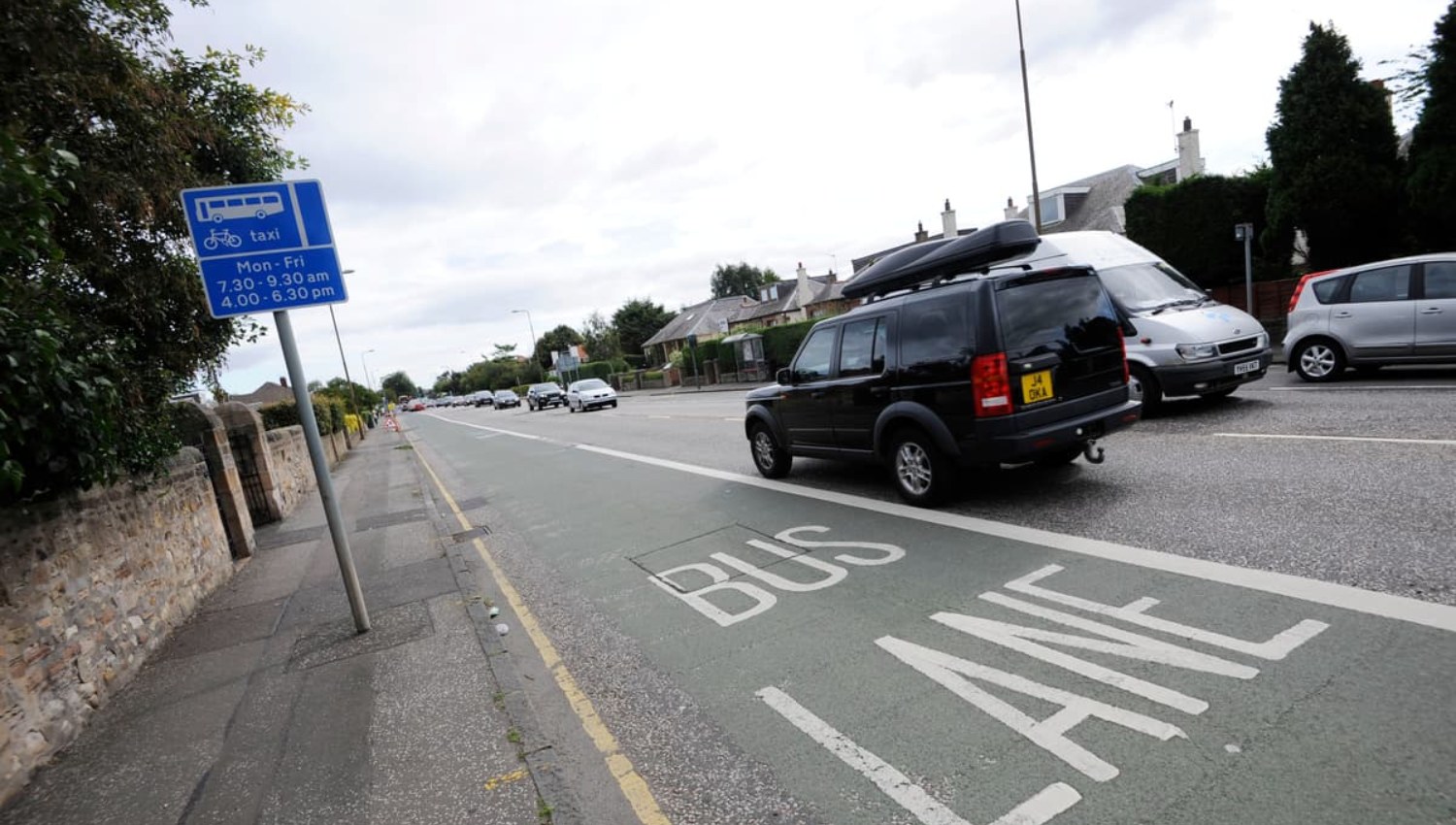

Longer bus lane hours came into force on selected Edinburgh routes on Monday as the city council began its 7-7-7 trial. On the stretch between Milton Road East and London Road, the lanes now operate from 7am to 7pm, seven days a week. The aim is to stop buses getting stuck in the same queues as other traffic, and the experiment could eventually cover every bus lane in the city.
Until now those lanes ran only at weekday peaks, from 7.30am to 9.30am and from 4pm to 6.30pm. The trial will last 18 months under an Experimental Traffic Regulation Order, which lets the council monitor the effects and gather evidence before recommending permanent arrangements. The first six months double as a public consultation. If the results support it, the council could apply the new hours to every bus lane in the Scottish capital. That would partly reverse an earlier change: before 2015, many of the city’s bus lanes ran from 7.30am to 6.30pm Monday to Saturday, or around the clock, before they were cut back to weekday peak hours.
Stephen Jenkinson, the council’s transport and environment convener, has said “travel behaviour is changing and bus demand is increasing”, with congestion now delaying buses outside the traditional rush hours. The council says the trial will show whether longer lane hours cut journey times, using real-world traffic data gathered as it runs.
Some motorists and traders are unconvinced. Nikki Boyd, who runs Nikki’s Fleurs on Wolseley Place, has been one of the scheme’s most vocal critics. She doubts that extra lane hours will get buses running to timetable, citing two number 44 buses arriving on the same route at almost the same moment, and points to roadworks, road closures, diversions and temporary traffic lights as bigger causes of jams. Her petition asking the council to reconsider the trial and consult local businesses passed 2,000 signatures before it closed at the start of October. Another resident, Christine Morgan, predicted online that the change would mean more stationary traffic and later journeys home or to work.
Those objections can now feed into the formal consultation. Residents and businesses have six months to respond, and the council will weigh their views alongside the monitoring data before deciding whether the seven-day hours stay on this route, are changed, or are rolled out across Edinburgh when the trial ends.