


Telecommunications across Southeast Asia is in the midst of reinvention. As revenue stagnates in mature markets and competition intensifies in emerging ones, telcos are under pressure to evolve beyond basic connectivity. Disruptive entrants, digital-native consumers, and rising investment expectations are all reshaping the B2C landscape.
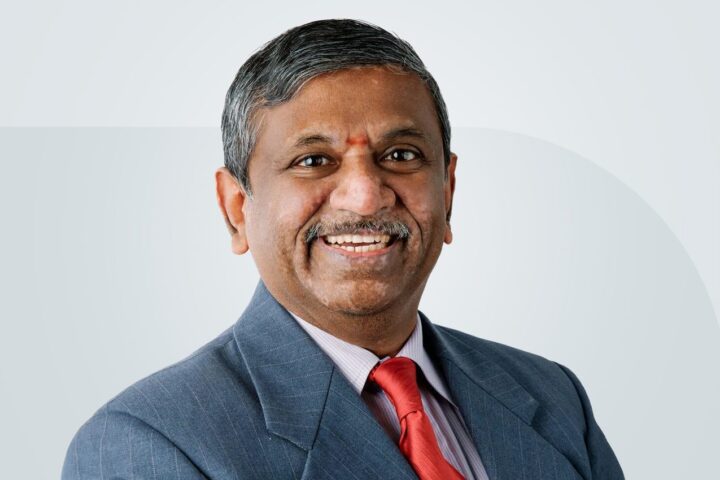
To unpack these dynamics, Anurag Gaur, Director of Telecommunications for Southeast Asia at Boston Consulting Group, sits down to inform the readers. With a deep view across markets and operators, Anurag shares how telcos can reframe their B2C strategy to unlock growth and resilience in a rapidly shifting landscape.
Q1: Anurag, let’s begin with the big picture—why is B2C growth proving so difficult for telcos today, especially in Asia?
Anurag Gaur:
B2C growth has become incredibly challenging for telcos across Asia because we’re grappling with a mix of structural, competitive, and behavioral shifts that are converging at once. In mature markets like Singapore, South Korea, or Australia, almost everyone who can be connected already is. Connectivity has become a utility—expected, not celebrated—and customers are unwilling to pay a premium just for better service. In emerging markets like Indonesia, the Philippines, and Vietnam, there is still user growth, but ARPUs remain low, and competitive dynamics are brutal. Operators often find themselves in price wars, trying to win share in a segment where margins are already razor-thin.
Compounding this is the massive investment required in networks—especially in 5G and fiber infrastructure. These investments are critical, but their monetization has proven difficult in markets where pricing power is limited. On the consumer side, expectations have also changed dramatically. People today are used to experiences shaped by digital-native brands—companies like Grab, Shopee, Netflix—which are agile, personalized, and frictionless. Telcos, unfortunately, are still often seen as slow-moving and difficult to engage with. This widening gap between what consumers expect and what they receive is at the heart of the B2C growth dilemma.
Q2: You mentioned commoditization. How have low-cost disruptors and digital-native attackers shaken up the playing field in Asia?
Anurag Gaur:
Disruptors have had a profound effect across the region. The most famous case is Reliance Jio in India, which redefined what a telco could be. They entered the market with free voice services and ultra-low data prices, bundled with access to a full digital ecosystem. The result was a rapid shift in consumer behavior, a collapse in pricing norms, and consolidation among incumbents. That playbook inspired similar moves in Southeast Asia.
In Malaysia, U Mobile carved out a strong niche by offering simple, affordable, and digital-first plans. They understood that younger users didn’t need call centers—they needed flexible data and a good app. In the Philippines, DITO entered the market with aggressively priced data offerings, prompting incumbents like Globe and Smart to react with defensive bundles and promotional pricing. These disruptors use lean operating models, hyper-targeted marketing, and clean digital experiences to win share quickly.
What this means for incumbents is that the old advantages—network quality, store footprint, scale—are no longer enough. To compete, they must either launch their own digital-first sub-brands or overhaul their core offerings to match the simplicity and value perception that disruptors have mastered.
Q3: So, what are the most effective defense strategies for incumbents facing these disruptions?
Anurag Gaur:
The most effective strategies involve embracing—not resisting—change. We’ve seen incumbents respond successfully in several ways. First, many have launched digital flanker brands to defend market share without diluting their premium main brand. In Thailand, AIS launched ZEED, targeting youth segments with aggressive pricing and partnerships in gaming and music. This allowed them to compete on cost and experience while preserving the core value of their flagship offering.
Second, simplification is key. Many telcos still offer complex pricing structures and outdated contracts. Customers want transparency and control. T-Mobile in the U.S. famously eliminated contracts and hidden fees, creating a brand built on consumer empowerment. That model is highly applicable in Asia too, where users are mobile-first and expect services to be plug-and-play.
Finally, incumbents must focus on experience. If a disruptor offers cheaper data but your service is intuitive, personalized, and reliable, many consumers will stay. It’s about using your existing assets—network quality, service reach, and brand trust—but augmenting them with digital agility and sharper customer insights. The defense strategy is not purely tactical; it’s a mindset shift toward speed, customer-centricity, and operational discipline.
Q4: How are consumer behaviors and expectations evolving, and what’s the implication for telco brand engagement?
Anurag Gaur:
Consumer behavior has undergone a fundamental reset. In part, this was accelerated by the pandemic, which pushed more people online and made digital experiences the default expectation. Today’s telecom customer is value-conscious, time-sensitive, and much more informed. They’re no longer impressed by having 20GB of data—they want to know how that data enhances their lifestyle. Is it bundled with an OTT service? Can they use it for gaming? Does the app make it easy to manage?
What we also see is a dramatic decline in brand loyalty. Telcos have traditionally relied on long-term relationships, but today, customers are much more willing to switch providers for a better deal or a smoother experience. That means telco brands must re-earn relevance—every single day.
Unfortunately, many operators still have Net Promoter Scores that are far below other industries. Part of that is due to legacy systems and friction points in service. But part of it is also emotional. Consumers don’t feel connected to their telco brand. That’s why we’re seeing more operators experiment with purpose-driven messaging, curated bundles, or community-based offerings. The brands that win will be those who combine utility with identity—who are not just useful, but meaningful.
Q5: How should telcos reimagine their customer value proposition to differentiate and grow in this climate?
Anurag Gaur:
The key is to move away from generic mass-market propositions toward more nuanced, segment-specific offerings that reflect real customer needs. One powerful example comes from Vodafone Germany, which designed tailored plans for Turkish-speaking migrants—a high-potential but underserved segment. That’s a model we can easily adapt here in Southeast Asia, where diverse populations, migrant workers, and multilingual communities are prevalent.
It’s also about extending the value proposition beyond connectivity. Telkomsel in Indonesia has done a great job bundling its mobile plans with entertainment options like Disney+ Hotstar, cloud storage, and even insurance add-ons. These types of bundles create emotional and practical value, increasing both usage and loyalty.
Moreover, the value proposition needs to be dynamic—not static. Use AI and behavioral data to adapt in real time. If a customer’s usage pattern shifts from streaming to mobile gaming, the system should offer relevant bundles or rewards. The telco of tomorrow doesn’t just sell plans—it understands, anticipates, and adapts to customer lives.
Q6: Let’s talk go-to-market. What GTM changes are driving real B2C results in Asia?
Anurag Gaur:
Go-to-market transformation is absolutely critical, especially as telcos seek to deliver consistent experiences across all touchpoints. In the past, digital and retail channels often operated in silos, but the best operators today are orchestrating true omnichannel journeys. Telia in Sweden, for instance, integrated online appointment booking with in-store CRM tools to reduce wait times and personalize service—a model being adapted by operators in markets like Thailand and Singapore.
In Southeast Asia, we’re also seeing a shift in retail strategy. Store formats are becoming smaller, more digital, and more focused on experience rather than transactions. This mirrors what Apple or Xiaomi has done—turning the store into a brand engagement space.
On the sales front, GenAI tools are already enhancing agent productivity and personalization. We’ve piloted solutions in Malaysia where frontline staff are equipped with next-best-action tools that suggest what to offer, when to offer it, and how to say it. The result is not just higher conversion, but better customer satisfaction. The key to GTM success is to stop thinking in channels—and start thinking in journeys.
Q7: Where are you seeing the most success in telcos expanding into adjacent consumer services?
Anurag Gaur:
We’re seeing strong momentum in adjacencies—especially in fintech, entertainment, and health. Globe’s GCash is a standout example. What began as a telco-led wallet evolved into a full ecosystem for payments, lending, insurance, and even investments. Today, it’s arguably more valuable than the core telco business itself.
In entertainment, bundling content has become a default growth lever. Operators across Thailand, Indonesia, and Vietnam are integrating OTT subscriptions directly into mobile and broadband packages. It adds perceived value and increases customer engagement. Smart in the Philippines, for example, offers bundles that include gaming credits or VIP passes to streaming platforms, tailored to youth segments.
Health and education are emerging adjacencies. Some telcos are testing telemedicine partnerships or zero-rating educational content. These initiatives are not just good business—they’re part of a broader effort to become essential digital utilities. In all these plays, success comes down to execution. The service must be embedded into the user journey, not bolted on as an afterthought.
Q8: You’ve mentioned GenAI a few times. Where is it creating the most impact in telco B2C today?
Anurag Gaur:
GenAI is quickly moving from hype to impact, and telcos are in a strong position to benefit. The most immediate wins are in marketing and customer service. For instance, we’ve worked with telcos in Vietnam and the Philippines to deploy GenAI for multilingual campaign generation. Rather than crafting 20 versions of a message for different dialects and personas, the AI does it in seconds—with impressive click-through results.
In customer service, intelligent chatbots are now capable of handling 60–70% of inquiries without human intervention, thanks to their ability to understand natural language and learn from interactions. This not only improves response times but frees up agents to focus on more complex issues.
Another high-potential area is product testing. GenAI can simulate how customers might react to a new plan or interface before launch, saving time and reducing failure risk. It’s a toolset that, when deployed thoughtfully, can transform how telcos engage, retain, and monetize their customer base.
Q9: What are the biggest pitfalls telcos should avoid in their B2C transformation journey?
Anurag Gaur:
One common pitfall is overdesigning the strategy without real-world validation. Telcos sometimes build complex products or digital platforms that sound great on paper but don’t reflect how customers actually behave. The better approach is to test, learn, and scale—launch MVPs, collect feedback, and iterate quickly.
Another issue is being overly focused on technology and not enough on change management. Systems can be upgraded, but unless employees are trained, processes are reimagined, and culture shifts to embrace agility, the transformation will stall. Leadership must be deeply involved in enabling the frontline—not just approving budgets.
Finally, telcos often underestimate the need for ecosystem thinking. Growth today requires collaboration—whether with fintechs, content providers, or even health-tech startups. Trying to build everything in-house leads to slower time-to-market and higher costs.
Q10: Finally, what would your message be to C-level telco leaders in Asia looking to win in B2C over the next 3–5 years?
Anurag Gaur:
My message is simple: embrace evolution. The role of a telco is no longer just to connect—it’s to enable lives, support digital ecosystems, and build trust through everyday experiences. Leaders must shift their mindset from infrastructure to impact. That means reimagining products, reorganizing teams, empowering talent, and relentlessly focusing on the customer.
Don’t wait for perfect conditions. Start now—with what you have—and build momentum through execution. The market rewards those who act early, test often, and listen closely. Southeast Asia is one of the most exciting regions globally for telecom innovation, and the next generation of industry leaders will be the ones who see beyond bandwidth and into the real lives of their customers.