

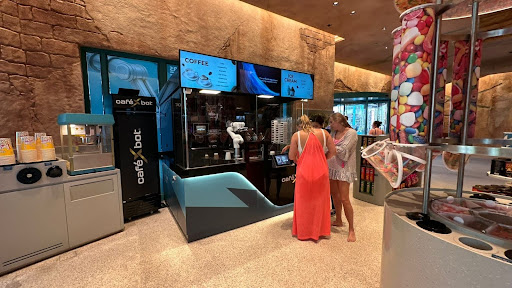

Interest in the robotic cafe kiosk business has grown as automated food-and-beverage formats draw attention from entrepreneurs, mall operators, and investors looking for lower-labour retail models. But the commercial appeal of a robotic kiosk does not mean all units are equally profitable. Differences in component quality, design, menu range, software, and after-sales support can materially affect downtime, customer demand, and payback.
That makes due diligence essential. A kiosk may look impressive at first glance, but profitability depends on whether it can operate consistently, attract repeat customers, and generate enough sales to offset capital costs. For investors, the relevant question is not whether robotic kiosks are trendy. It is whether a specific robotic cafe kiosk has been designed to function as a reliable business unit.
Reliability and design influence revenue more than appearance alone
One of the clearest distinctions between kiosk models is the quality of their internal components. Frequent technical failures can interrupt service, reduce customer trust, and cut into revenue. VLT Robotics says its CafeXbot unit uses a Franke coffee machine, a Pasmo ice cream machine, and a UFactory robotic arm — a configuration the company presents as part of its effort to reduce breakdowns and improve operational consistency.
Design also affects how customers respond. Some robotic kiosks resemble enclosed vending machines, with limited visibility into the preparation process and a more industrial feel. CafeXbot is designed more like a kiosk, offering onlookers an unobstructed view of the components inside. This distinction matters because visibility can shape both trust and footfall, particularly in high-traffic public settings.
Menu breadth and customer engagement can affect return on investment
Product range is another factor investors are likely to examine closely. Fixed costs such as rent, electricity, and site management do not rise in proportion to the number of products sold, so a broader menu can improve revenue potential. VLT Robotics says CafeXbot serves eight varieties of beverages and food items, and presents that multi-product capacity as central to its commercial case.
Customer interaction may also influence repeat business. Many automated kiosks are designed mainly for transaction speed, but VLT argues that a robotic cafe kiosk should also be experiential. The company says CafeXbot can respond to customer queries, play music and custom dialogue, and perform choreographed robotic-arm movements while serving. Those features are intended to make the kiosk more engaging, though investors would still need to assess whether that entertainment value translates into sustained demand over time.
Investors still need to examine payback, scalability, and support
Manufacturer track record is another practical consideration. VLT Robotics says it has 10 years of robotics experience, which it presents as evidence that technical and software issues have been refined over time. The company also states that CafeXbot can be assembled and disassembled relatively easily, allowing operators to move locations when needed, and that software upgrades are made available to clients.
VLT Robotics further says CafeXbot can display three languages on its ordering screen, integrate with a wide range of payment systems, and offer exclusive distributorship options by territory. On returns, the company states that the unit can generate ROI of 80% to 150% depending on location, with investment recovery typically taking 15 to 18 months. Those figures are part of the investment case, but as with any robotic cafe kiosk, profitability will still depend on placement, demand, uptime, and the speed of technical support when problems arise.
For investors, the robotic cafe kiosk category is best assessed as an operating business rather than a novelty format. Differences in reliability, product range, customer experience, and post-installation support can have a direct effect on revenue and payback. That is why comparisons between kiosk models need to go beyond appearance and focus on the practical factors that shape commercial performance over time.