

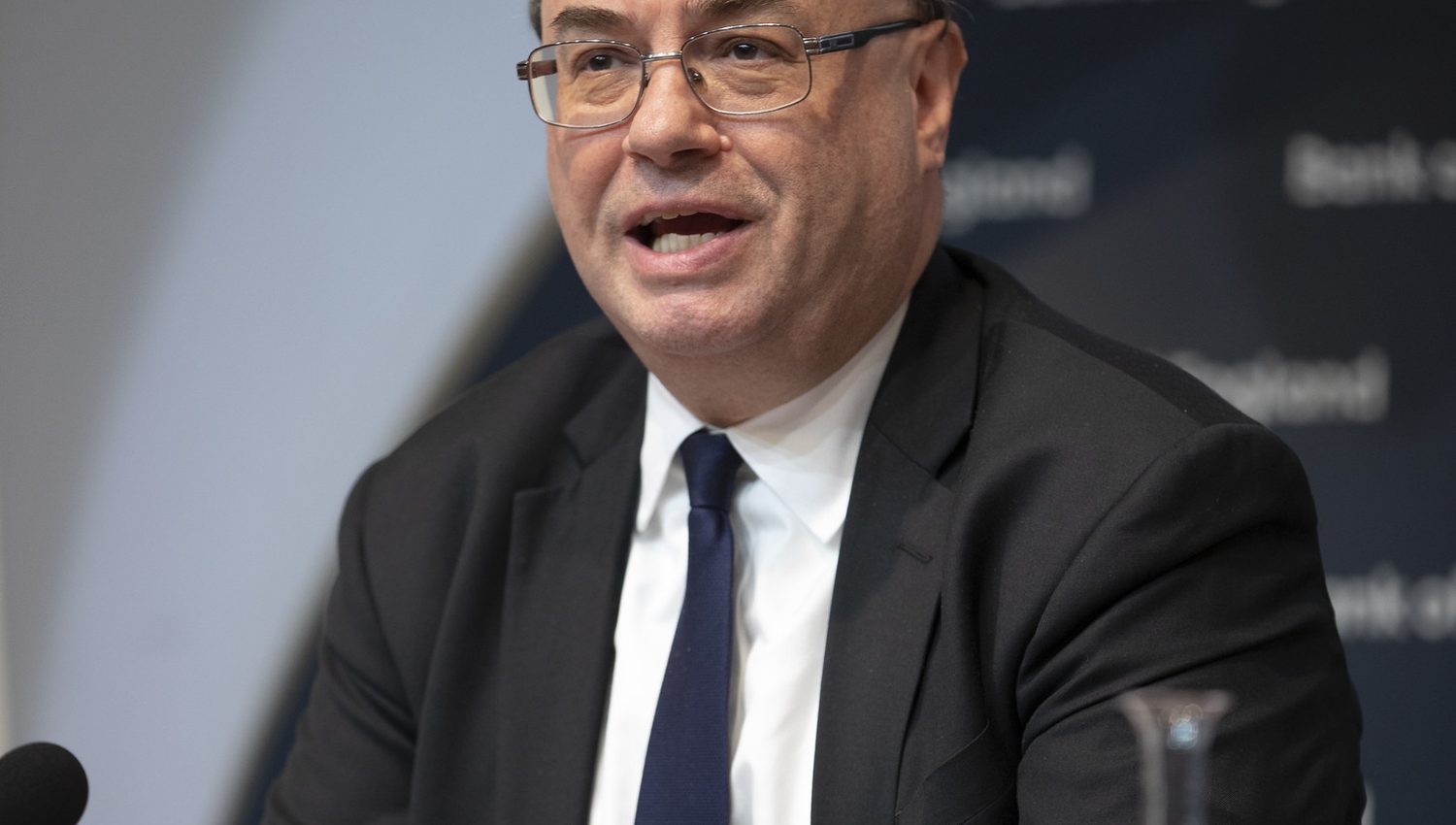

The head of the Bank of England has warned the world’s leading economies that an overheated artificial intelligence market could tip the global financial system into a sharp and damaging correction. In a two-page letter to G20 finance ministers and central bank governors, Andrew Bailey, who also chairs the international Financial Stability Board, said heavy borrowing to fund AI investment had helped push valuations to levels that may prove impossible to sustain.
“Markets remain vulnerable to a potentially disorderly correction that could spread across borders,” Bailey wrote. His central concern is a dangerous mix: high leverage, a small number of dominant AI companies and data-centre operators holding concentrated positions, and share prices that already assume years of flawless growth. If the sector stumbles, he argued, the damage would not stay contained.
The warning lands at a moment when spending on AI infrastructure has become one of the biggest single forces in global markets. A handful of names now carry enormous weight in the major indices, which means their fortunes increasingly set the direction for everyone else. That concentration is exactly what worries regulators, because it removes the cushion that a broad, diverse market normally provides.
Bailey also flagged a second, less-discussed danger: the technology’s growing role in cybercrime. He said advanced AI models could materially alter the speed, scale and economics of cyber risk, making attacks cheaper and faster to mount. He pointed to a recent disclosure by the AI company Anthropic, which said its models had been used to break into three organisations during testing, as an early sign of what more capable systems might enable.
A further problem, in his view, is that the rules have not kept pace. Many countries still lack proper protocols for overseeing how the most advanced AI systems are built and released, leaving supervisors a step behind the firms they are meant to watch.
For Scottish investors and pension savers, the message is less about any single company and more about how exposed portfolios have quietly become to one theme. Funds that simply track the broad market now hold heavy weightings in a few AI-linked giants, so a fall in those names would be felt well beyond the technology sector.
Bailey stopped short of predicting a crash, and the letter is a caution rather than a forecast. Central bankers raise such flags precisely so that governments and firms build in some protection before trouble arrives. Whether the current boom cools gently or ends more abruptly, his intervention signals that the people responsible for financial stability now treat the AI trade as a systemic issue rather than a market curiosity.