

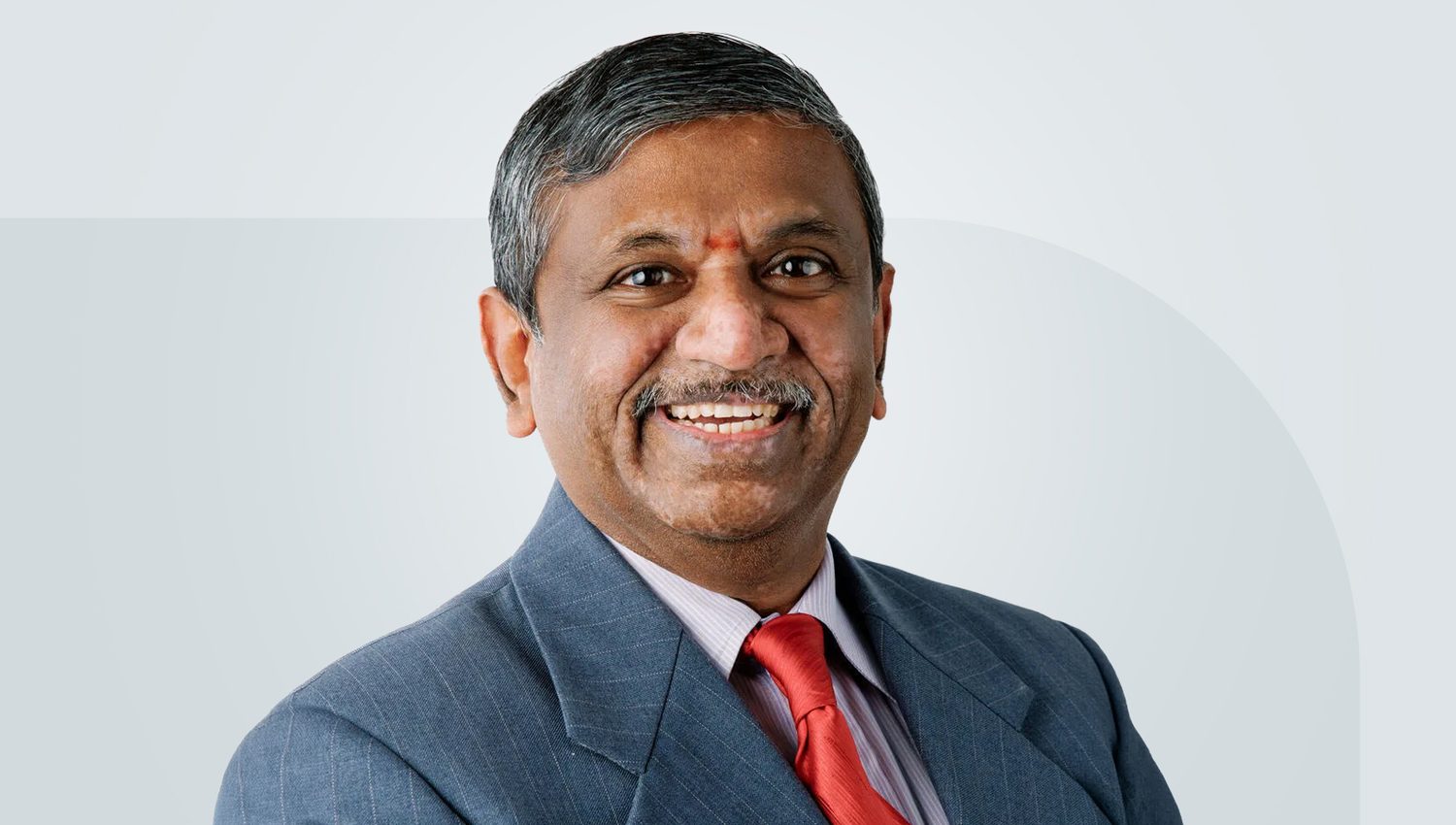

Mayo Clinic has appointed Arun Kumar Bhaskara-Baba as its chief information officer, adding an experienced technology executive to the leadership of one of the United States’ best-known medical systems. The move was reported on 9 September 2026 and continues a pattern of large healthcare providers recruiting senior information technology leaders from outside the sector.
Bhaskara-Baba arrives from Honeywell Aerospace and Defense, where he directed digital strategy and worked to expand the business’s artificial intelligence capabilities. His remit there placed him at the intersection of complex engineering operations and enterprise technology, experience that maps closely onto the demands of running information systems for a large clinical and research organization.
His career also includes a lengthy period at Johnson & Johnson, where he held leadership positions overseeing global manufacturing information technology across the company’s pharmaceutical, medical device and consumer divisions. That background spans several of the regulated industries whose data and systems requirements resemble those of a major hospital network. He holds a bachelor’s degree in technology from Sri Venkateswara University and an MBA from the University of Michigan’s Ross School of Business.
The chief information officer role sits at the center of how modern health systems manage electronic records, cybersecurity, clinical software and the growing use of AI in diagnosis and administration. Recruiting from aerospace, defense and consumer manufacturing reflects a wider view among healthcare boards that scale, reliability and data discipline are transferable skills, and that technology leadership has become central to institutional strategy rather than a back-office function.
The appointment is part of a steady stream of technology leadership changes across US organizations in 2026, as employers compete for executives who can steer large digital transformation programs. For Mayo Clinic, the hire signals continued investment in the systems that support patient care and research, and places responsibility for that agenda with a leader whose experience was built largely in industrial and consumer settings rather than in hospitals.