

In robotic prostate cancer surgery, the most consequential advances may occur not in the machinery itself, but in the processes that allow a surgical team to consistently strike the optimal balance between cancer control and preservation of function.
Santis Health, a specialist prostate cancer clinic in London, has built its surgical model around that difficult calculation. Its work brings robotic surgery, real-time pathological assessment and multidisciplinary planning into a single process intended to address two connected obligations: controlling the disease and protecting the functions that shape a patient’s life after treatment.
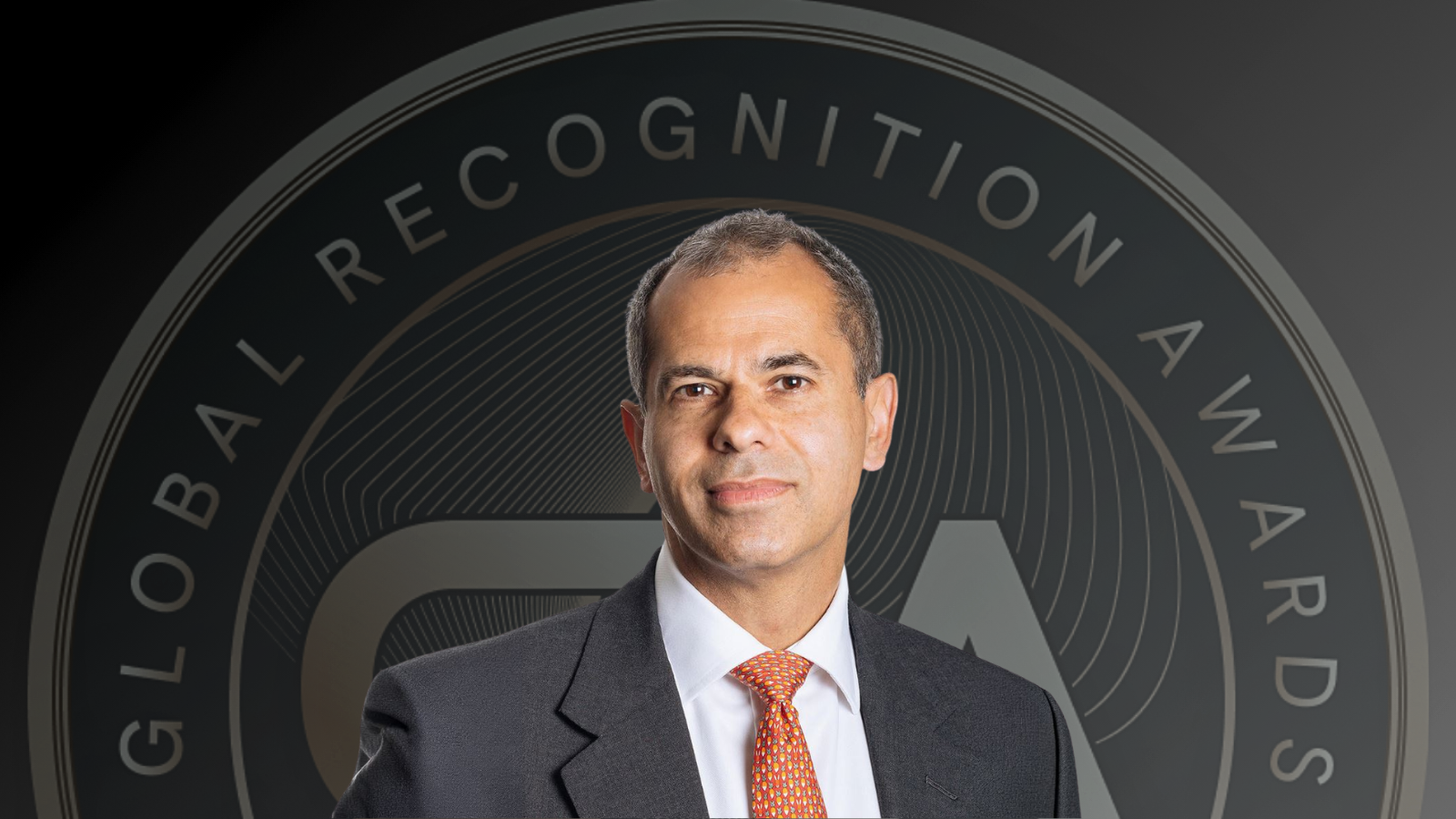
The clinic has received a 2026 Global Recognition Award in Innovation for that approach. The recognition reflects not a claim that technology can eliminate the risks of radical prostatectomy, but Santis Health’s effort to organize advanced tools around outcomes that can be examined: cancer control, urinary continence and sexual function.
Where Surgical Judgment Meets Technology
Radical prostatectomy is a procedure of competing imperatives. Surgeons must remove cancer thoroughly, yet the prostate sits amid structures that can affect continence and sexual function. No technique can make that tension disappear. The central question is whether the care team has enough information, experience and coordination to respond to it responsibly in each case.
Santis Health performs nearly 200 prostate cancer operations annually, giving its surgical team repeated exposure to the decisions that define this kind of care. The clinic uses the Retzius-sparing approach to robotic prostatectomy when appropriate, preserving anatomy at the front of the prostate that may support earlier recovery of urinary continence after surgery. The technique is not a substitute for clinical judgment; it is a method for making continence a consideration during, rather than after, cancer removal.
Robotic visualization and controlled instrument movements provide a practical setting for that work. Santis Health has also incorporated the da Vinci Single Port robotic system, which supports minimally invasive access through a single-port platform. The significance of the system, in this context, lies less in the device than in how it is used: as part of a clinical plan tailored to the patient’s anatomy, cancer characteristics and treatment needs.
A Team Built Around Continuity
The clinic’s surgical team has worked together for 15 years, a continuity that matters in a field where outcomes are shaped by decisions made well before an operation begins and continue to depend on coordination after it ends. A surgical procedure is not simply an encounter between a surgeon and a patient. It relies on shared understanding among clinicians, pathologists, radiologists and other specialists whose findings can alter the treatment plan.
At Santis Health, multidisciplinary review brings together expertise in urology, oncology, pathology, radiology and nuclear medicine connecting diagnosis, planning, and surgical delivery. The process aims to avoid treating those stages as separate transactions, each handed off with limited communication to the next.
That structure also places a measure of accountability around clinical decision-making. Santis Health has published results and presented clinical findings at international scientific meetings, creating opportunities for its methods and outcomes to be considered beyond the clinic itself. In medicine, reporting results does not settle every question about performance, but it permits scrutiny where unsupported assurances cannot.
Information at the Critical Moment
Intra-operative NeuroSAFE pathology is central to the clinic’s model because it brings tissue assessment into the operation itself. Rather than waiting until surgery has concluded to consider all pathological findings, the process gives surgeons information about cancer margins while decisions about preserving nerve tissue remain possible.
The value of that timing is straightforward. Nerve preservation may be relevant to sexual function, but cancer control remains the first responsibility of surgery. NeuroSAFE allows Santis Health’s team to assess tissue during the procedure and use that evidence to maximise cancer control and nerve preservation in every patient.
“Santis Health demonstrates exceptional qualities through its ability to connect advanced surgical methods with careful clinical judgment, measurable outcomes and a sustained commitment to the needs of patients,” said Alex Sterling, a spokesperson for Global Recognition Awards. The clinic’s recognition ultimately rests on a more restrained proposition: progress in prostate cancer care is meaningful when technical capability is matched by disciplined systems, transparent evaluation and attention to the life a patient returns to after surgery.