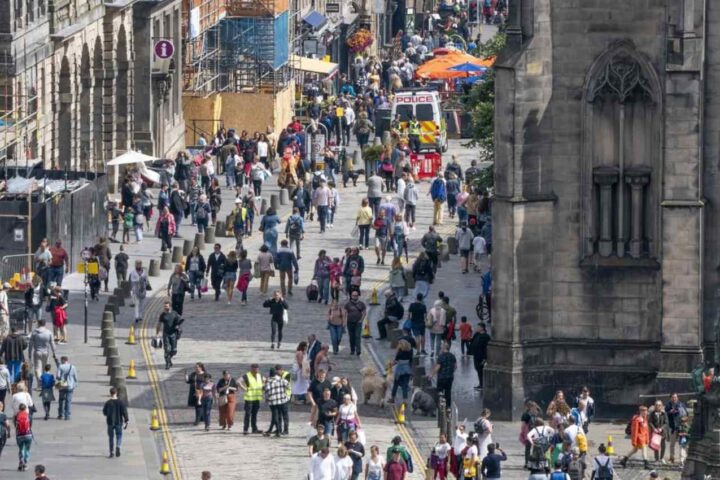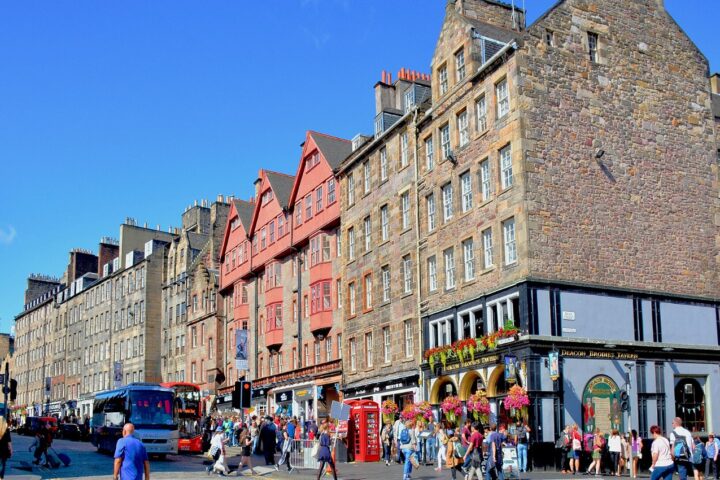


The Scottish Government has set aside 68 million pounds this year to design and build routes for walking, wheeling and cycling, part of a wider push to make everyday journeys cheaper, healthier and less damaging to the environment. The money forms one strand of a larger 226 million pound programme of active and sustainable travel spending for 2026-27.
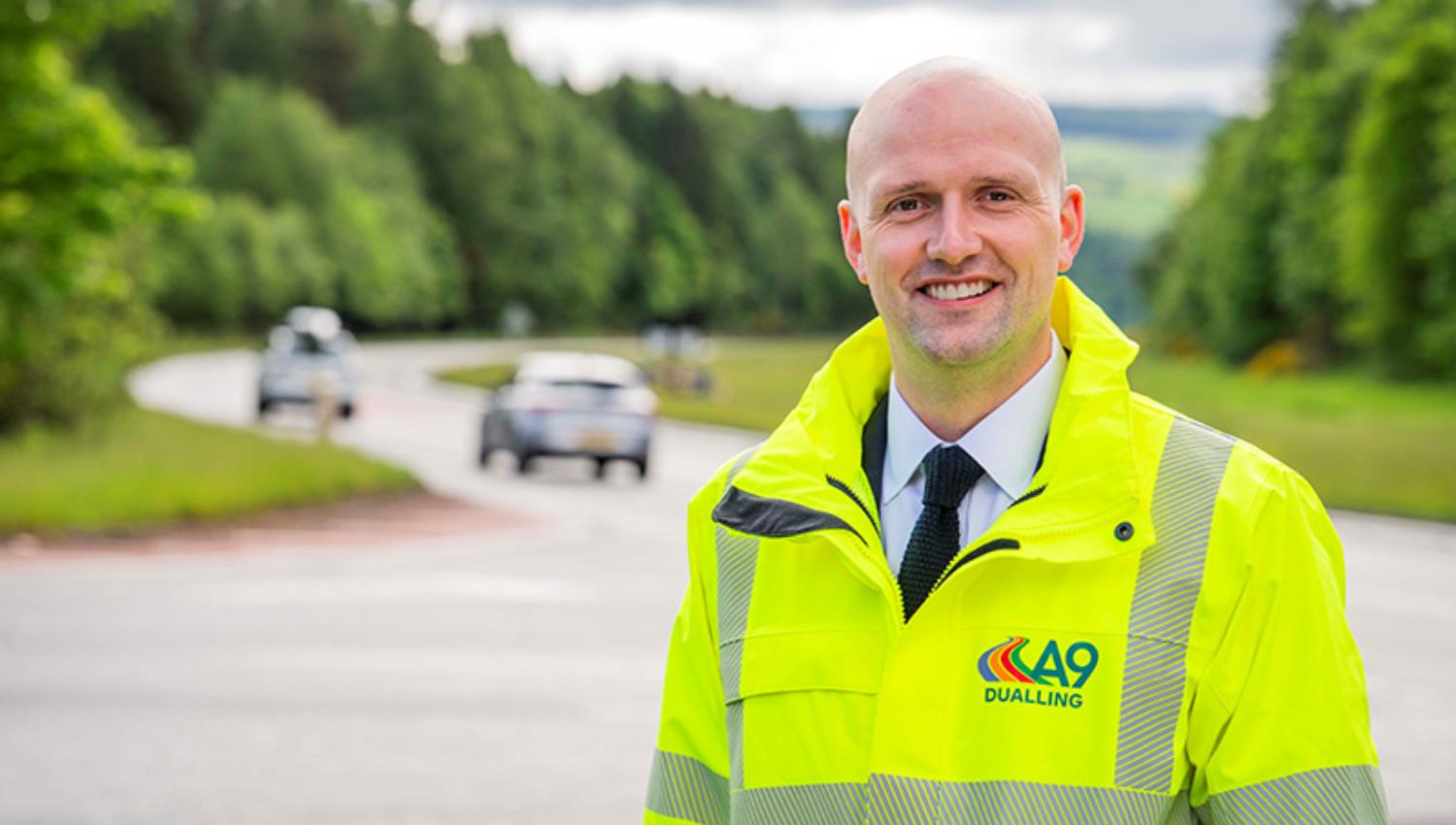
The funding was announced by Stephen Flynn, the Cabinet Secretary for Economy, Tourism and Transport, who framed active travel as a practical answer to several problems at once. “Active travel remains one of the best solutions for our most complex problems,” he said, describing walking, wheeling and cycling as transformational for communities that have safe, well-built routes to use.
The cash flows through the Active Travel Infrastructure Fund, which supports local authorities, regional transport partnerships and national park authorities as they plan and construct new paths and crossings. The emphasis is on the physical groundwork, the routes themselves, rather than one-off campaigns, on the basis that people are far more likely to leave the car at home when there is a safe and direct way to travel without it.
The government points to evidence that communities with high-quality active travel networks see more people choosing to walk or cycle, which in turn brings a chain of benefits. Households spend less on transport, congestion eases, and there are gains for public health and for efforts to cut carbon emissions. Those overlapping returns are central to the case ministers are making for the spending.
For towns and cities across Scotland, the immediate effect will be a fresh round of design work and construction as councils draw down their share of the fund. Some projects will fill gaps in existing networks, while others will create new links between neighbourhoods, schools and workplaces.
The wider ambition is a gradual shift in how shorter journeys are made, away from cars and toward options that cost less and carry lower environmental impact. Whether the investment moves the numbers will depend on how quickly the routes are built and how well they connect the places people actually need to reach.
For now, the commitment marks a continued bet by the Scottish Government that better infrastructure is the surest way to change travel habits, backed this year by a substantial sum.