
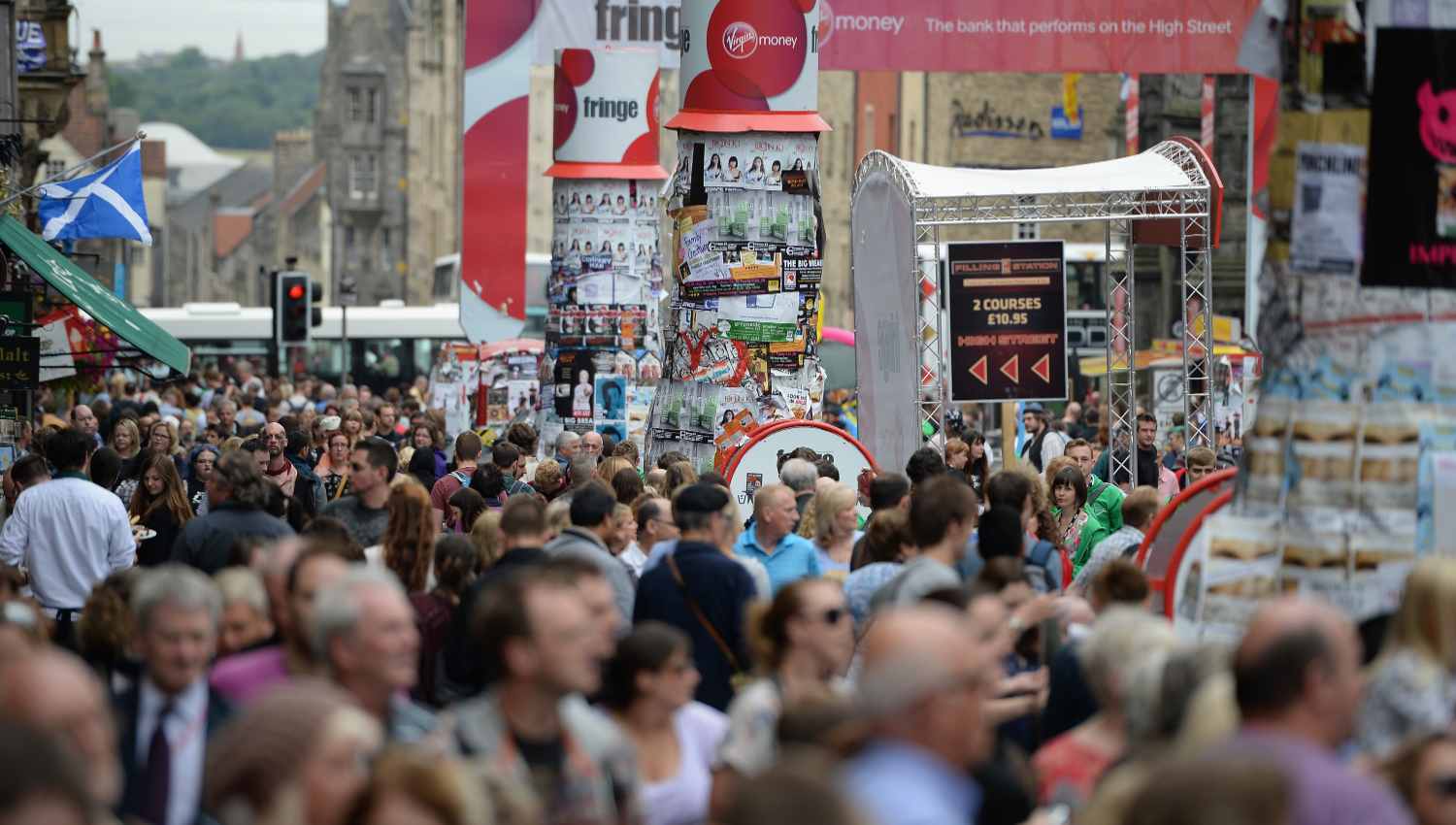

The Edinburgh Festival Fringe has closed its 80th anniversary run with ticket sales up 8 percent on the previous year, a result its organisers welcomed while acknowledging hard questions about the festival’s future. By late on the final day, more than 2.8 million tickets had been issued, with a single-day record of about 164,000 sold on one Saturday in the middle of the month.
The scale of the event remains extraordinary. This year’s programme featured 4,232 shows staged across 306 venues, delivering more than 61,000 individual performances by artists from 77 countries. That breadth is what has long made the Fringe the largest arts festival in the world and a fixture of Edinburgh’s calendar every August.
For all the growth, the numbers still sit below the pre-pandemic peak, when the festival sold in excess of 3 million tickets. Recovery has been steady rather than complete, and the anniversary prompted reflection as much as celebration.
Tony Lankester, chief executive of the Fringe Society, used the milestone to look ahead rather than simply mark the occasion. “As we look to the festival’s 80th anniversary, it’s appropriate that we reflect on what we want the Fringe to be,” he said, pointing to affordability as the central challenge for performers, venues and audiences alike.
That concern is widely shared across the festival. The cost of taking part has risen sharply, with accommodation in particular becoming a major barrier for visiting artists, many of whom already struggle to break even. Venue operators have warned that the expense of bringing work to Edinburgh now stretches beyond money to the wellbeing of the performers themselves.
The tension at the heart of this year’s Fringe is easy to state. The festival is thriving by the measures of audience numbers and output, yet the people who make it happen are feeling the squeeze, and there is unease about whether the current model can hold.
Organisers have signalled that the anniversary should be a moment to take stock rather than a victory lap. The rise in ticket sales gives the festival momentum and a healthy base to build on, but the questions raised this year, about cost, access and scale, will shape the debate long after the crowds have left.
For a festival that has grown almost without pause for eight decades, the task now is less about getting bigger and more about staying open to all who want to be part of it.