

The trial of the Libyan man accused of making the bomb that destroyed Pan Am Flight 103 over Lockerbie will begin on 19 January, a federal judge in Washington DC has ruled. Judge Dabney Friedrich also warned that she would not tolerate any further delay in a case that has already been postponed several times.
Abu Agila Mas’ud Kheir Al-Marimi, now in his mid-70s, faces two counts of destruction of an aircraft resulting in death and could be jailed for life if convicted. He denies the charges. Jury selection had been due to start in August but was put back after new evidence came to light. The nature of that material has not been disclosed, although the court heard that it involves a single new witness.
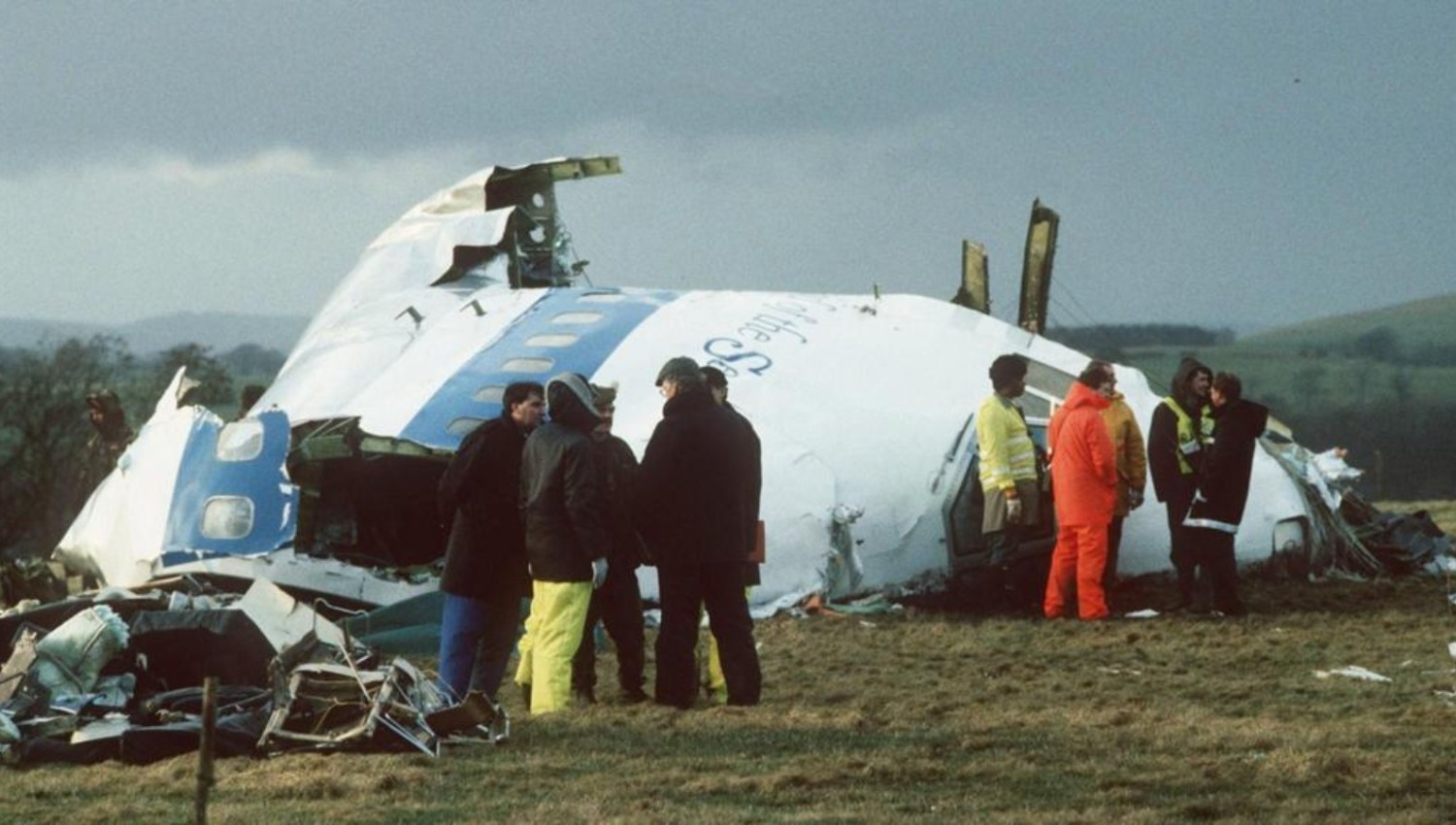
The bombing on 21 December 1988 killed all 259 passengers and crew on the flight from Heathrow to New York, and 11 people in Lockerbie died when wreckage fell on their homes. Of the 270 victims, 190 were American and 43 were from the UK. The latest postponement had worried victims’ representatives because many bereaved relatives are now elderly. Judge Friedrich told the court that the defendant, the public and the victims “have waited a long time for this trial”.
The prosecution relies heavily on an alleged confession. US authorities say Al-Marimi admitted his part in the attack, alongside Abdelbaset al-Megrahi and Al Amin Khalifah Fhimah, while being questioned at a Libyan detention facility in 2012. That account was passed to Scottish investigators in 2017. His lawyers say it is false and was given under duress, but the judge has ruled that it can be admitted as evidence. He was extradited from Libya to the US in 2022 and has been in custody since December that year.
The case returns to ground covered by a trial that began in May 2000 at Camp Zeist in the Netherlands, where three Scottish judges ruled that the bombing was state-sponsored terrorism carried out by members of the Libyan intelligence service. Megrahi was convicted of mass murder and jailed for life, while Fhimah was acquitted. Megrahi was later released on compassionate grounds by the Scottish Government and died of cancer in 2012. His conviction was upheld after the Scottish Criminal Cases Review Commission twice referred it to the appeal court.