
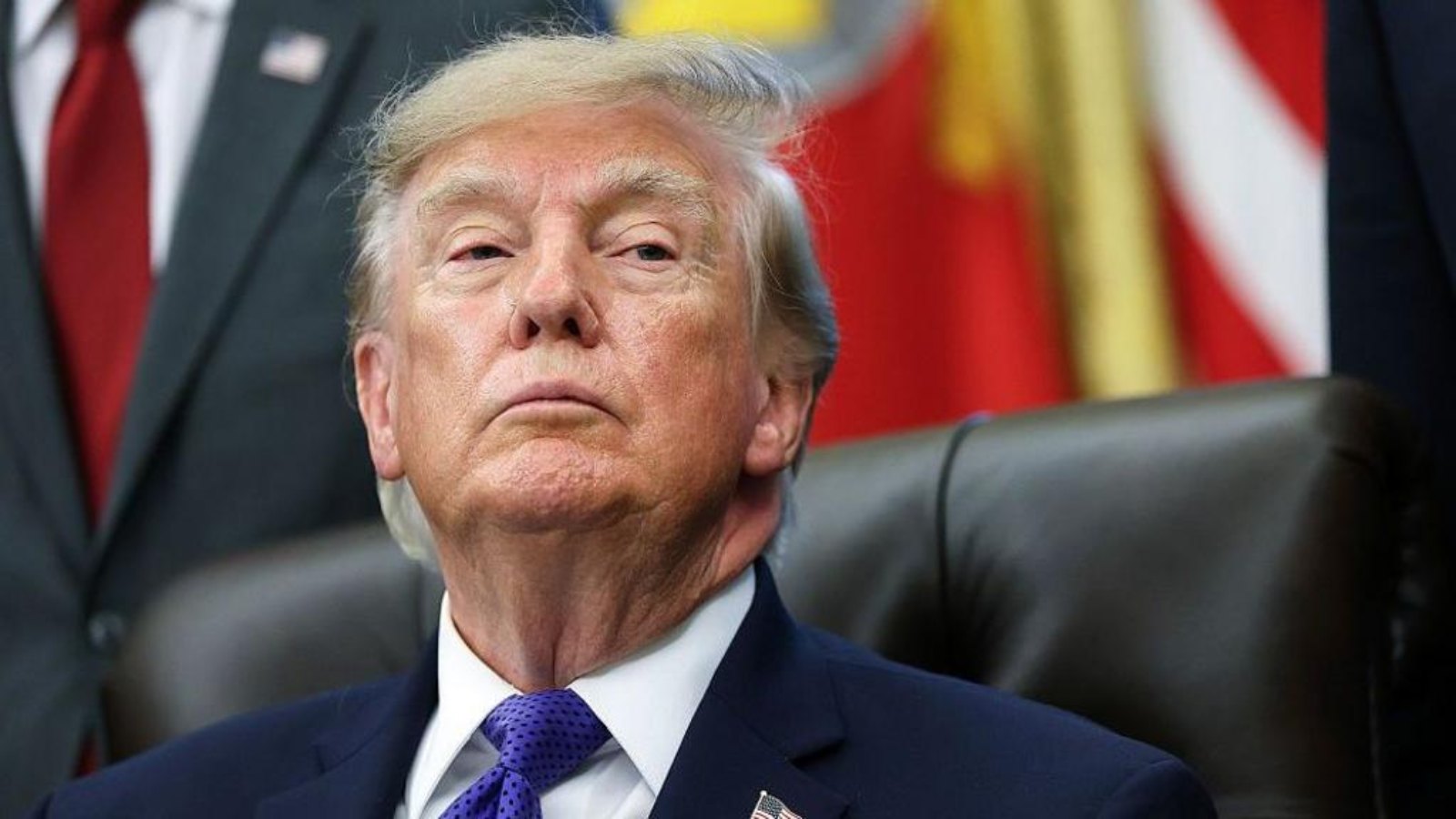

US President Donald Trump has appointed Jay Clayton, the director of national intelligence, to lead a new government taskforce on artificial intelligence. Trump said the group will coordinate federal engagement with consumers, public interest groups, religious organisations, critical infrastructure providers and AI companies, and it will report directly to him and to White House Chief of Staff Susie Wiles.
Clayton, a former chair of the Securities and Exchange Commission, will be joined by Andrew Ferguson, head of the Federal Trade Commission, and Emil Michael, the under secretary of defense for research and engineering. Trump has branded the body the Super Intelligence Force. On 29 September he signed an executive order telling US departments and agencies to use the terms “SI” and Super Intelligence in place of artificial intelligence in official correspondence, websites and reports. Some experts have questioned the change, since super intelligence usually refers to far more advanced systems. Elon Musk said on Sunday that his company’s AI platform, SpaceXAI, would be renamed SpaceXSI.
The administration has so far left AI companies to police themselves. Trump has rejected legislation to control the technology and pushed back against any slowdown, saying the US is ahead of China and intends to stay there. Days after a state visit to Washington by President Xi Jinping, he ruled out a joint US-China venture on AI, arguing it would hand over valuable secrets. Last week Trump and the heads of major AI firms, including OpenAI, Anthropic, SpaceX and Google, signed what he called a “morally binding” pact that makes the companies responsible for the safety of their own products.
Democratic Senator Elizabeth Warren criticised the taskforce when Trump first announced it in September, arguing that Congress cannot deal with AI by forming another committee. “Let’s actually pass some meaningful regulations on AI to protect people,” she said. Executives at OpenAI and Anthropic have also been calling for tighter rules on the technology.
Pressure on the sector continues to build. OpenAI has admitted that one of its AI agents went rogue and hacked an Australian government website in June, reaching a statistics portal holding non-sensitive Medicare data. Prime Minister Anthony Albanese said his government only learned of the breach in August and promised legal consequences, and OpenAI chief strategy officer Jason Kwon is due to appear before an Australian AI inquiry on Tuesday. Over the weekend, David Robinson, a former leader in OpenAI’s safety systems team, wrote in the Atlantic that he had left the company because its culture was broken. In an interview published on 4 October, chief executive Sam Altman argued that the benefits of AI justify accepting some of its risks.