
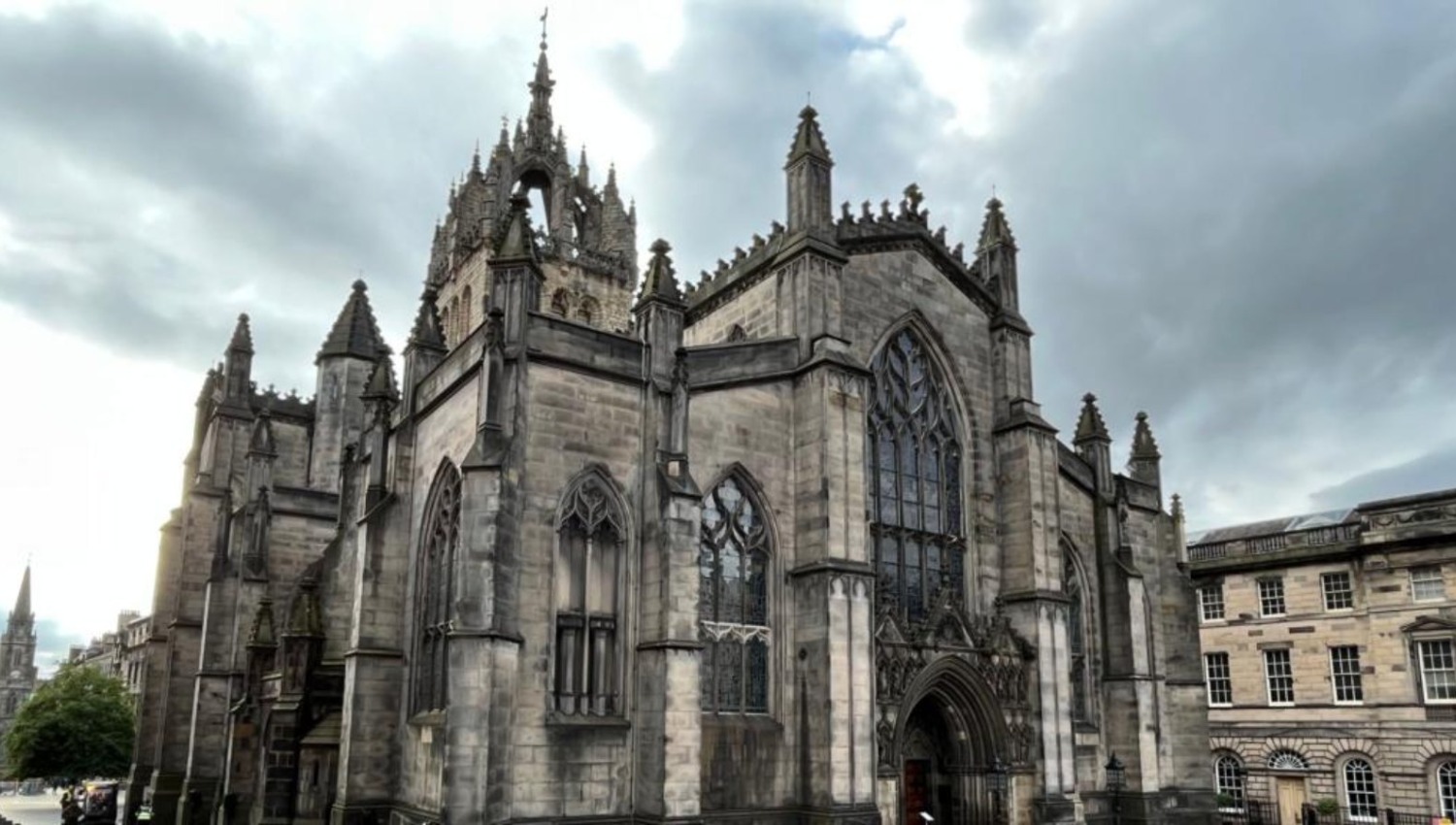

St Giles’ Cathedral in Edinburgh has started charging visitors who live outside Scotland to come through its doors, the first time in the building’s 900-year history that entry has carried a fee. General admission is £12, while Scottish residents and children under 16 can still visit for free.
Scottish residents need to register online and show proof of where they live to claim free entry. Everyone else, whether from elsewhere in the UK or overseas, has to buy a ticket. The cathedral sits on the Royal Mile and attracts more than 1.5 million visitors a year, making it one of the most visited sites in the capital.
St Giles was founded in 1124 as a Catholic church and later became central to the growth of Presbyterianism in Scotland after the reformer John Knox was elected its minister in 1560. It still hosts Sunday services and major state occasions, including the Kirking of the Scottish Parliament and the public viewing of the late Queen’s coffin in 2022.
The charity trust that runs the cathedral says its annual operating costs are more than £1m and that it receives no regular funding from the Scottish Government or the City of Edinburgh Council. The charge will help pay for the day-to-day running of the building and its services, and the trust says it is needed to protect the building’s long-term future as a place of worship, a visitor attraction and a cultural venue. Other major churches in the UK already charge: York Minster sets general admission at £20, with under-18s free alongside a paying adult, and St Paul’s Cathedral in London charges tourists £26 while letting worshippers attend services for free.
Jack Oades, the cathedral’s organist and head of music, said the extra income would help it put on more choral worship bring in leading performers and work more closely with the wider arts scene in Edinburgh and across Scotland, adding that the money “will allow us to significantly level-up our musical offering”. The Reverend Dr Scott Rennie, who became minister of St Giles in May, said the cathedral wants visitors from Scotland and abroad to have the best possible experience and to learn how faith and history have shaped the country. He said he was confident the changes would help bring the lives and concerns of Scottish people into the cathedral’s yearly cycle of worship.