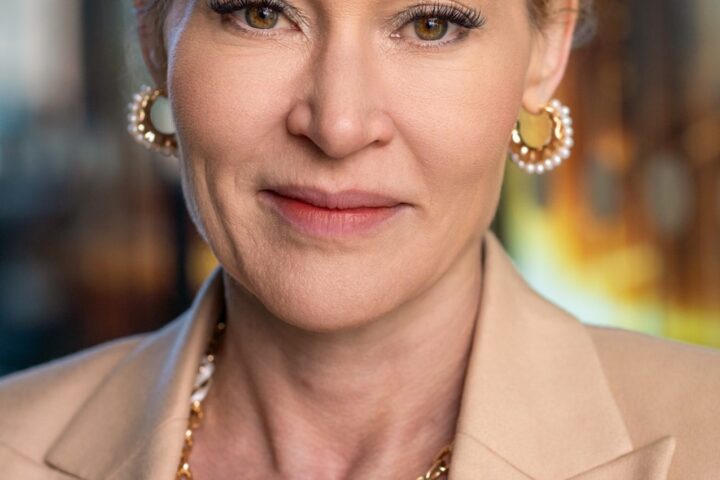



Success can look polished from the hallway and brutal from the inside. Shayla King built her work around that hard truth. Her site presents her as a former C-suite leader who now coaches corporate executives to raise performance, pay, and happiness through Evolve Executive Life Coaching and the PH+ Lab.
When Winning Starts To Feel Hollow
Plenty of senior leaders know how to hit a number, run a meeting, and carry a title that turns heads. Fewer know how to do all of that without dragging stress home every night. King saw that split up close, and she decided to build her business around it rather than pretend it did not exist.
Her message lands because it cuts through the polished language that often surrounds leadership. She is not selling a softer version of ambition. She is talking to people who still want the promotion, the bigger seat, the stronger pay package, and the respect that comes with real authority. She just refuses to treat misery as the price of admission.
“Most leaders at the top don’t have a performance problem. They have a thinking problem.”
King’s site says she coaches corporate executives to increase performance, pay, and happiness, and frames the PH+ Lab as a four-month training and coaching program for leaders who want promotion, more control, and a life they can actually enjoy. That idea gives her work its charge. Career growth, in her view, should feel powerful, not punishing.
Many coaches talk about stress as if the answer is to want less. King pushes in the other direction. She works with leaders who are already strong on paper and often tired in private. They are the ones who keep the business moving, yet still feel overlooked, overworked, or strangely stuck. Her work speaks to that ache with unusual bluntness.
She teaches them to quit performing panic for approval. She wants them to stop mistaking overwork for value. Clear thinking, steadier energy, sharper communication, and stronger self-respect sit at the center of her coaching. That is a far cry from the old script that says the hardest worker in the room always rises first.
Pressure Wrote The First Draft
King did not arrive at that point of view from the outside. Her site says she worked her way up to the C-suite by 40 after starting far from executive life, and later served as a Chief People Officer while leading major corporate work tied to global mergers and acquisitions. That history matters because it gives her voice real weight with senior leaders who can spot borrowed wisdom from a mile away.
Corporate pressure has its own weather system. It runs on speed, politics, image, and the constant need to stay useful in rooms where every word is being sized up. King knows that climate well. She has spoken about carrying the pace, the tension, and the prove-yourself energy that often follows high-achieving leaders long after the meeting ends.
Her story took a sharper turn at 39. A medical crisis put her in a coma and on life support. Recovery meant learning how to walk and talk again. Few events can strip life down to its raw truth more quickly than that.
The lesson she drew from it was simple and severe. Tomorrow is not owed to anyone. That belief now underpins everything she teaches, giving her work a sharper edge than standard career advice. Promotion matters to her, yet postponed living does not impress her much.
That personal history helps explain why her coaching has emotional depth without turning sentimental. She is not talking about balance in a vague, polished way. She is talking about time, energy, health, and the right to enjoy the life a career is supposed to support. People who work with her are being asked to win, but to do so awake.
A former server who climbed into the executive tier, King carries a grounded tone that keeps her from sounding remote. That piece of her story matters, too. Leaders who come from grit rather than pedigree often know how easy it is to get trapped in gratitude, overgive, and call it loyalty. King seems especially tuned to that trap.
A Different Scorecard For Ambition
Her answer to that trap is the PH+ Formula, short for performance, pay, and promotion plus happiness. King treats those four aims as connected rather than at war. That is a bold position in a corporate culture that often praises grind first and joy later.
The PH+ Lab turns that idea into something more concrete. Her site says the program teaches leaders to focus on results, relationships, daily habits, and mindset as they move toward stronger visibility and more control. The language is direct because the people she serves usually do not need another motivational speech. They need a cleaner way to operate.
“High performance and happiness are not opposites. They’re a decision. And once leaders see that, everything changes.”
King’s clients come from a striking mix of major companies and demanding sectors. Her website names leaders from Koch Industries, McKesson, Ernst & Young, NetApp, Kaiser, Wayfair, and other firms across manufacturing, healthcare, aerospace, consulting, and technology. That range suggests her message is landing with people who live under very different pressures yet share a similar inner problem: too much noise, too much proving, too little room to think.
She offers private coaching for leaders who want deeper work, and she has built the PH+ Lab to reach more people at once. Her site also ties that platform to a broader brand voice, including The 5% Club podcast for leaders who want top performance without living like a wreck. That phrase, the 5% Club, carries a touch of swagger. It hints at rarity, but it is really about standards.
King’s appeal sits in the tension she is willing to hold. She is pro-ambition, pro-money, and pro-promotion. She is just unwilling to glamorize the version of success that leaves a person exhausted, resentful, and absent from their own life. That makes her work feel current in a culture where many leaders have started to question whether the old reward system is worth the private cost.
Her story is still moving forward, and that may be part of its force. Nothing about her work sounds finished or frozen. It sounds lived in. That gives her writing, coaching, and public voice a kind of voltage. People are not simply hiring Shayla King to get better at work. They are going to her because she is asking a tougher question: what if the next level is supposed to feel better than this?